How to Landscape a Backyard from Scratch

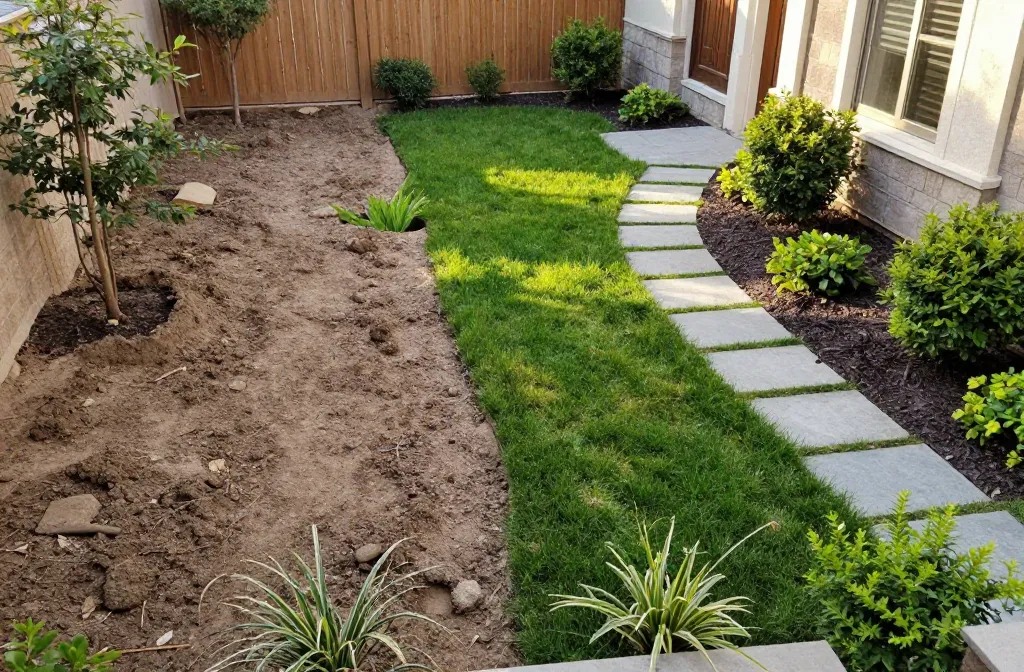
Landscaping a backyard from scratch involves planning your layout based on your yard’s conditions and intended use, then executing in phases: clearing and grading the land, installing hardscaping elements like patios or paths, amending soil, planting trees and shrubs first, and finishing with lawn and garden beds.
Most projects take 4-8 weeks depending on size and complexity, with costs ranging from $3,000 for basic DIY work to $15,000+ for professional installations.
How to Landscape a Backyard from Scratch: Step-By-Step
Staring at a blank slate of dirt and weeds can feel overwhelming. But here’s the thing: starting from zero actually gives you total control.
You’re not working around someone else’s terrible choices (looking at you, previous homeowner who planted a giant tree two feet from the house). You get to build exactly what you want.
Step 1: Assess Your Yard and Set Your Goals
Walk your property with a notebook and actually look at what you’re working with. Notice where water pools after rain.
Check which areas get blasted by afternoon sun and which stay shady. These aren’t minor details, they’re going to determine what survives and what becomes an expensive mistake.
Make a list of what you need versus what you want. A play area for kids? Privacy from neighbors?
A vegetable garden? Be honest about your maintenance commitment too. That elaborate rose garden looks amazing on Pinterest, but will you actually spend hours pruning?
Take Measurements and Photos
Grab a tape measure and map out your yard’s dimensions. Note where utilities run underground (call 811 before you dig anything, seriously). Take photos from multiple angles. You’ll reference these constantly during planning.
Step 2: Create a Realistic Budget and Timeline
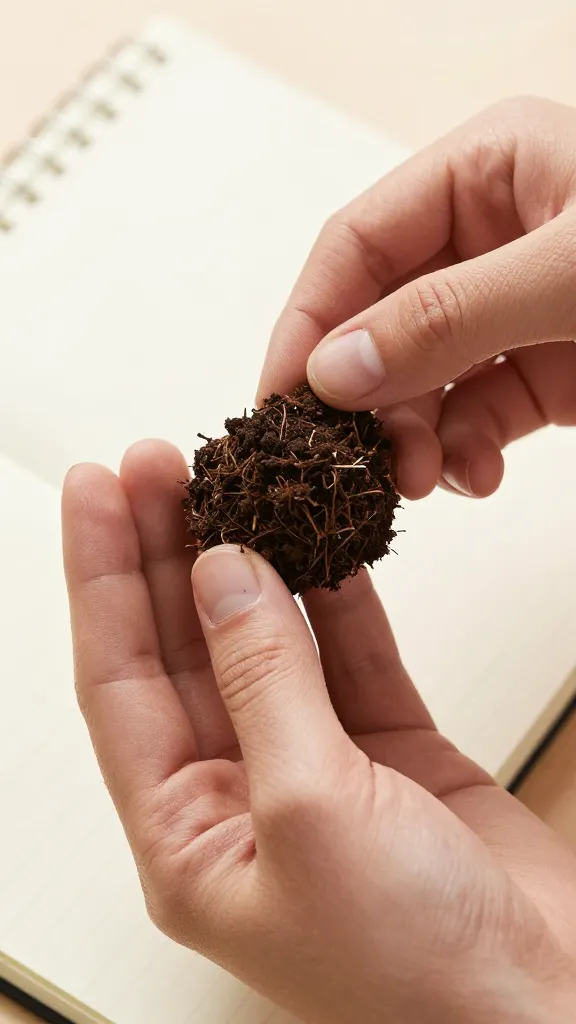
Landscaping costs add up faster than you think. Soil alone can run hundreds of dollars if you need to bring in quality topsoil.
Plants, mulch, stone, tools, and unexpected problems (there are always unexpected problems) will stretch your budget.
Break your project into phases if money’s tight. Install hardscaping first, then major plantings, then finishing touches.
This approach lets you spread costs over months or even years. Plus, you won’t burn out trying to do everything at once.
Step 3: Design Your Layout on Paper
Sketch your plan before buying a single plant. Graph paper works great for this. Mark existing structures, then add your desired features: patio here, garden bed there, pathway connecting them.
Think about traffic flow. How do people actually move through your yard? Create natural paths between high-use areas. Don’t make guests walk through your vegetable garden to reach the fire pit.
Consider the Mature Size of Plants
That cute little shrub at the nursery? It might grow eight feet wide. Read the tags and space accordingly.
Overcrowding is probably the most common amateur mistake, and fixing it years later means ripping stuff out.
Step 4: Clear, Grade, and Prepare the Ground
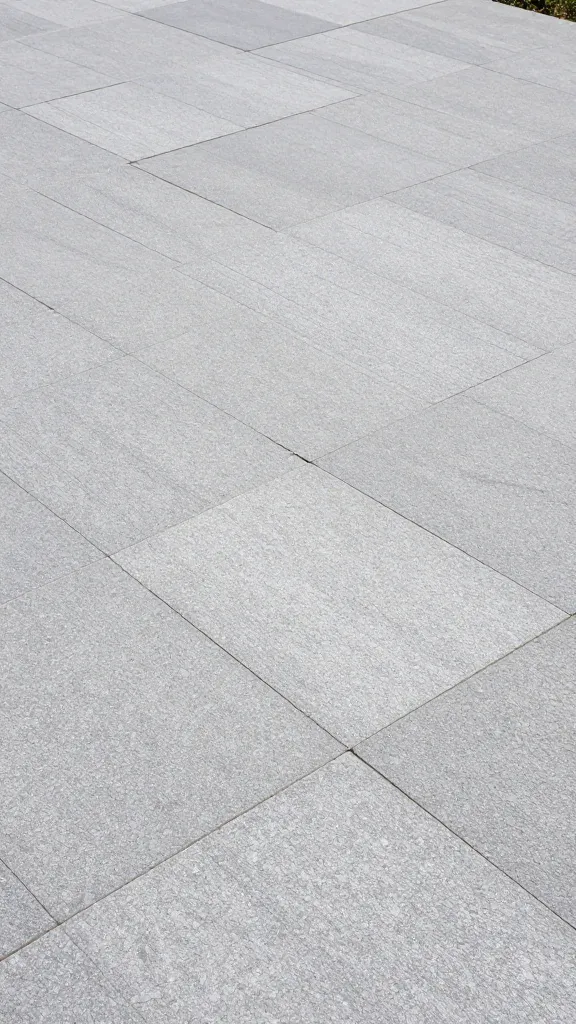
Time to get dirty. Remove all weeds, rocks, old roots, and debris. Rent a sod cutter if you’re dealing with existing grass. This part isn’t glamorous, but proper prep makes everything easier later.
Check your grading next. Soil should slope away from your house at about 1 inch per foot for the first 6-10 feet.
Standing water against your foundation causes major problems. Add or remove soil as needed to get the slope right.
Till or loosen compacted soil in planting areas. Most yards have terrible soil after construction, honestly. Mix in compost, aged manure, or other organic matter. Your plants will thank you.
Step 5: Install Hardscaping Elements First
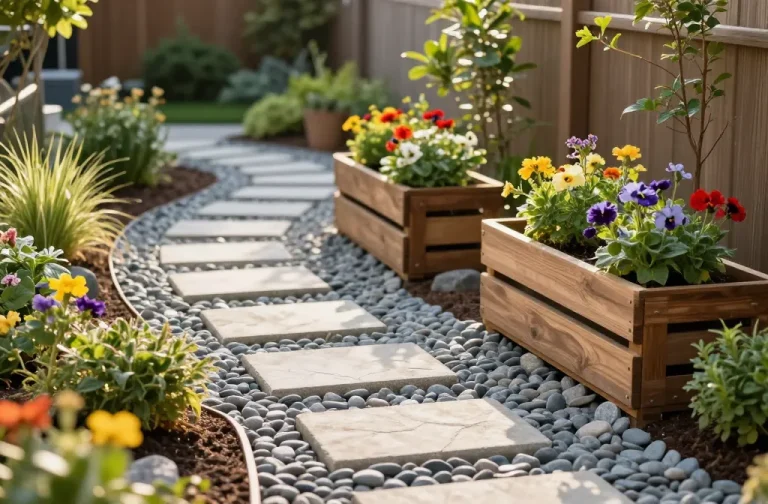
Put in patios, walkways, retaining walls, and other permanent structures before planting anything. Why? Because wheelbarrows full of gravel and stone pavers will destroy your pretty new garden beds.
Use landscape fabric under gravel paths to prevent weeds. Set pavers on a solid base of compacted gravel and sand.
Taking shortcuts here leads to shifting, sinking, and redoing the whole thing in two years. Not fun.
Step 6: Plant Strategically in Layers
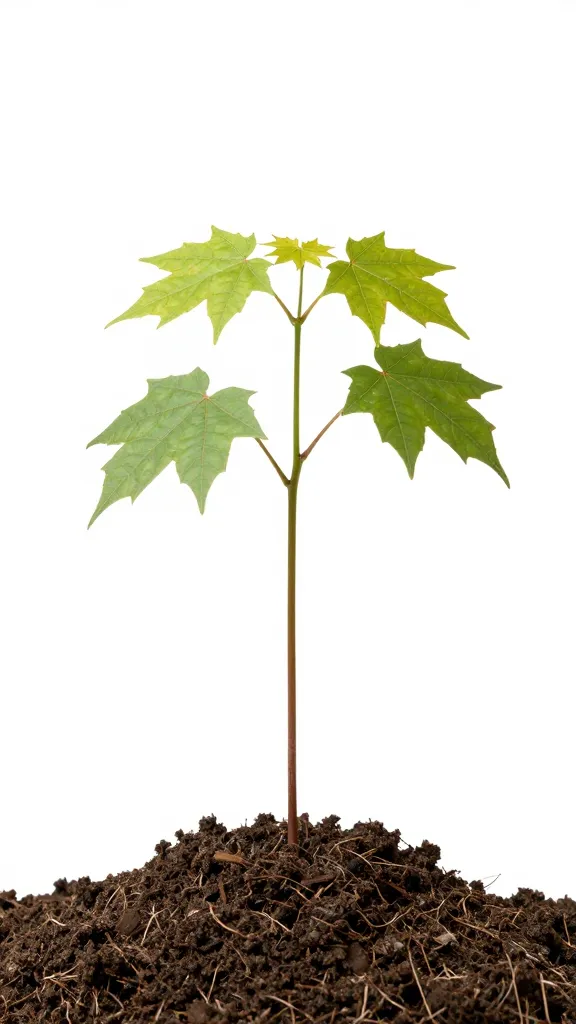
Start with trees, then shrubs, then perennials, then groundcover or lawn. This “big to small” approach makes sense because you’re working around the largest elements first.
Plant in fall if possible.
Cooler weather and natural rain give plants time to establish roots before summer stress hits. Spring works too, just be prepared to water religiously.
Group plants with similar water and sun needs together. Don’t stick a moisture-loving fern next to a drought-tolerant succulent. That’s just setting yourself up for failure.
Mulch Everything
Add 2-3 inches of mulch around all plantings. It suppresses weeds, retains moisture, and makes everything look finished. Pull mulch a few inches away from plant stems to prevent rot.
Step 7: Establish Lawn Areas Last
Grass is surprisingly picky about growing conditions. Make sure you’ve got at least 6 inches of good topsoil. Seed or sod depending on your budget and patience. Sod gives instant results but costs way more.
Water new grass daily for the first few weeks. Keep foot traffic off it until it’s established. FYI, this drives everyone crazy, but walking on baby grass kills it.
Key Takeaways
- Planning prevents expensive do-overs. Spend real time on design before you spend money on materials.
- Work in phases if you need to. A partially finished yard beats a burned-out homeowner and an empty bank account.
- Soil quality matters more than anything else. You can’t grow healthy plants in garbage dirt, no matter how much you water.
- Plant for the future, not just today. Consider mature sizes and growth habits to avoid overcrowding.
- Hardscaping first, plants second, grass last. This order saves time and protects your work as you go.