How to Clean Dog Hair From Washing Machine Fast

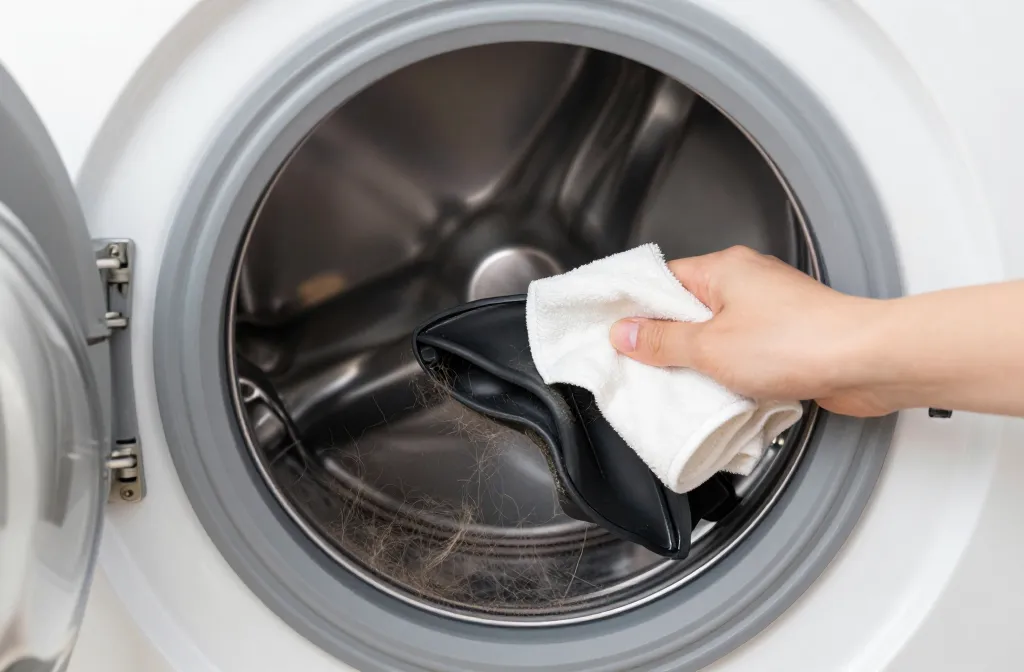
Dog hair accumulates in your washing machine’s drum, drain filter, and door seal, requiring regular removal through manual cleaning, running empty hot water cycles with vinegar, and wiping down rubber gaskets.
Clean the lint trap and drain filter monthly, wipe the drum after each wash cycle containing pet items, and run a maintenance cycle with two cups of white vinegar to dissolve hair buildup and prevent clogs.
How to Clean Dog Hair From Washing Machine: Step-by step
If you’re a dog owner, you’ve already accepted that fur becomes part of your wardrobe whether you like it or not.
But when your washing machine starts leaving more hair on your clothes than it removes, we’ve got a problem.
That expensive appliance is supposed to clean your stuff, not turn it into a fuzzy mess that looks like you rolled around with your golden retriever.
Step 1: Empty and Inspect Your Machine
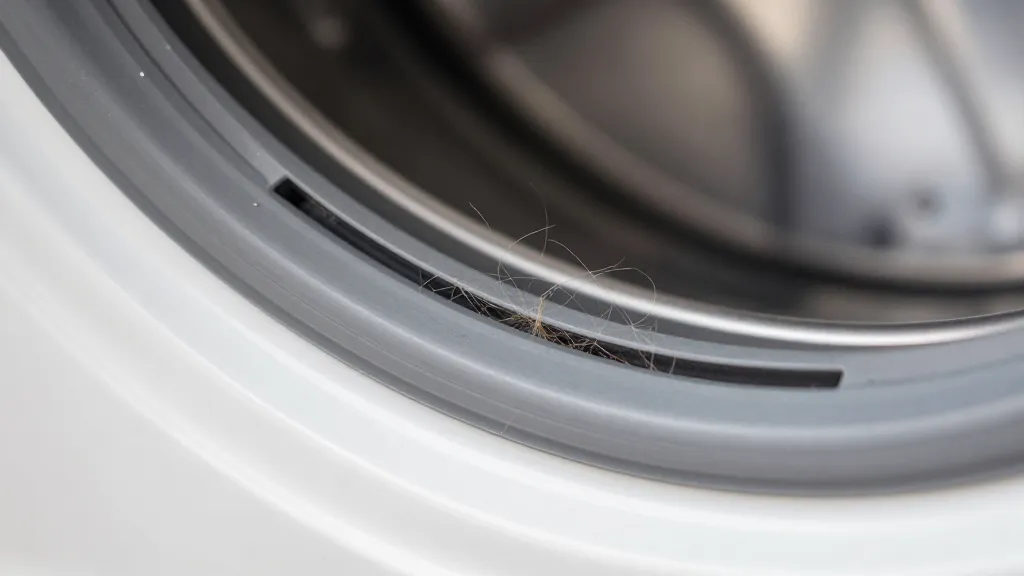
Start by removing any laundry from the drum. Look closely at the rubber door seal (that’s the gasket around the opening).
You’ll probably find a disgusting collection of hair, lint, and who knows what else trapped in those folds. This is ground zero for hair buildup.
Pull back the rubber seal gently and check all the crevices. Dog hair loves hiding in there like it’s playing some twisted game of hide-and-seek.
You might also spot some funky smells coming from this area if you’ve been neglecting it for a while.
What You’ll Need
- Microfiber cloths or old towels
- White vinegar
- Rubber gloves (trust me on this one)
- An old toothbrush
- A bucket of warm water
Step 2: Clean the Door Seal and Drum
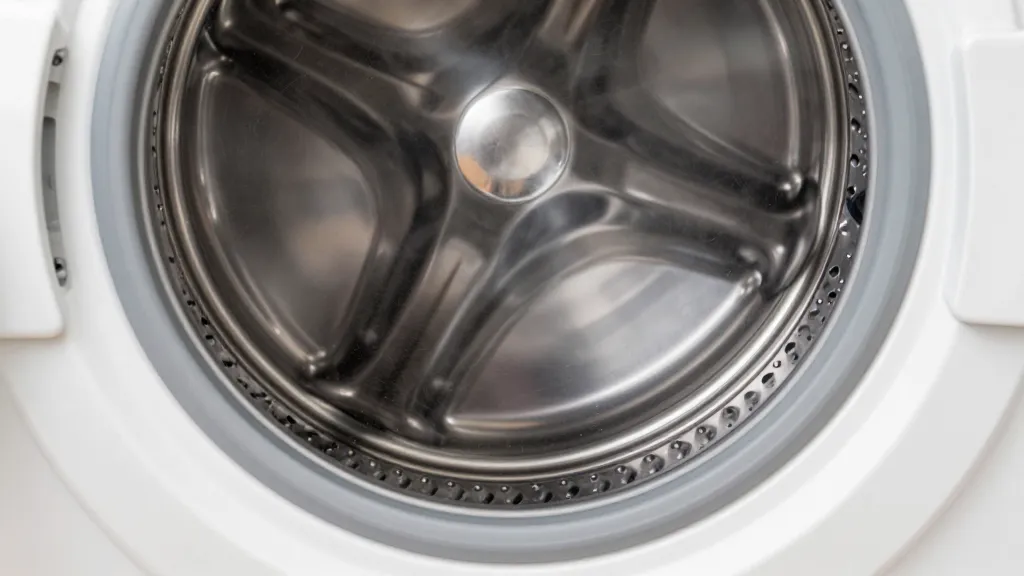
Put on those rubber gloves because this gets gross. Dampen your microfiber cloth with a mixture of equal parts water and white vinegar.
Wipe down every fold of that rubber seal, pulling it back to reach the hidden spots. The toothbrush works great for stubborn hair that’s really wedged in there.
Once you’ve tackled the seal, wipe down the entire drum interior. Dog hair sticks to the stainless steel or plastic surface, especially when it’s damp. A dry microfiber cloth works surprisingly well for picking up the loose stuff.
Don’t skip the detergent dispenser drawer either. Pull it out completely and rinse it under hot water. Hair migrates to the weirdest places.
Step 3: Locate and Clean Your Drain Filter
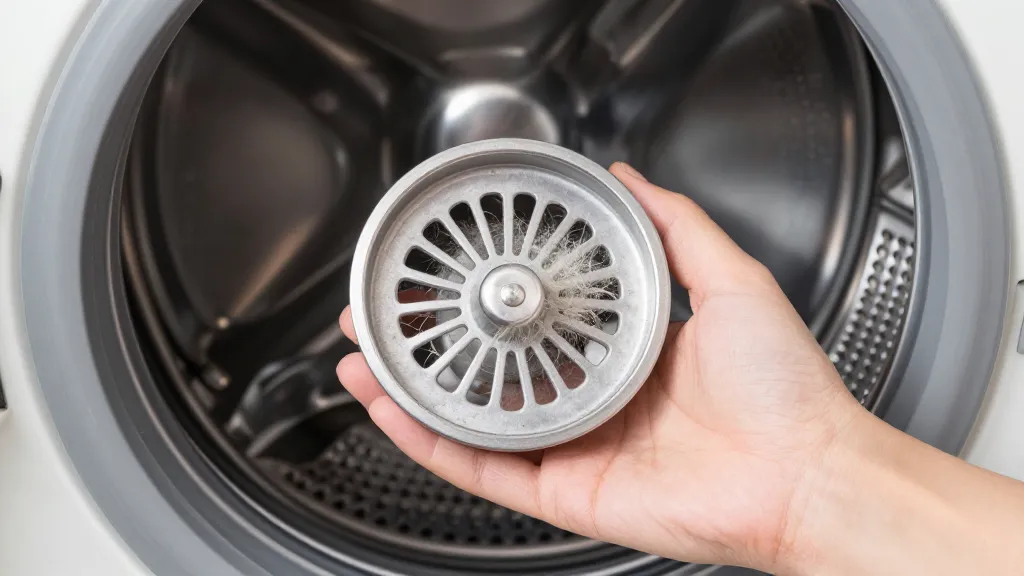
Here’s where things get real. Most front-loading washers have a drain filter at the bottom front, usually behind a small panel. Top-loaders might have it in a different spot, so check your manual if you’re not sure.
Place your bucket underneath before you open it. When you unscrew that filter, water will come out along with a horrifying amount of hair, lint, and mystery sludge. I’m honestly not sure why manufacturers don’t warn people better about this part.
Pull out any visible hair and debris from the filter housing. Rinse the filter under hot water until it runs clear. This step alone can solve about 80% of washing machine drainage issues, FYI.
How Often Should You Do This?
Monthly cleaning prevents major buildups. If you wash dog beds or blankets regularly, bump it up to every two weeks. Your machine will thank you.
Step 4: Run a Hot Cleaning Cycle
Now for the deep clean. Pour two cups of white vinegar directly into the drum. No detergent, no fabric softener, just vinegar. Set your machine to the hottest, longest cycle available.
The hot water combined with vinegar breaks down hair, soap scum, and mineral deposits. It also kills bacteria and eliminates odors.
Some people swear by baking soda instead, but vinegar works better for dissolving organic material like dog hair.
Let the cycle run completely. When it’s done, wipe down the drum one more time with a dry cloth to catch any loosened debris.
Step 5: Prevent Future Hair Buildup
Cleaning is great, but prevention saves you time. Before washing anything covered in dog hair, throw the items in the dryer on air fluff or low heat for 10 minutes. This loosens a ton of hair, which the dryer’s lint trap catches instead of your washing machine.
Shake out dog beds, blankets, and towels outside before they go anywhere near your laundry room. It sounds obvious, but this simple step cuts down hair transfer by half.
Consider using washing machine lint traps or hair catchers. These floating mesh bags or balls collect loose hair during the wash cycle. They’re cheap and actually work.
Bonus Prevention Tips
- Brush your dog more frequently to reduce shedding
- Use a pet hair remover tool on fabrics before washing
- Add half a cup of white vinegar to your rinse cycle as a hair-loosening agent
- Leave your washer door open between uses to air it out and prevent moisture buildup
Step 6: Address Persistent Problems
Sometimes hair buildup becomes so severe that basic cleaning doesn’t cut it. If your machine still smells funky or leaves hair on clothes after you’ve done all this, you might need professional help.
Check your washing machine’s drain hose. Hair can accumulate in there too, creating clogs that affect performance. Disconnect it (carefully, with a bucket ready) and flush it out with hot water.
Run another vinegar cycle, but this time add a cup of baking soda directly to the drum before starting.
The combination creates a fizzy reaction that can dislodge stubborn deposits. IMO, this works better than any commercial washing machine cleaner.
Key Takeaways
- Clean your drain filter monthly to prevent hair clogs and drainage issues that can damage your machine long-term
- Wipe down the rubber door seal after every wash containing pet items to stop buildup before it starts
- Run a hot vinegar cycle once a month to dissolve accumulated hair and keep your machine smelling fresh
- Pre-treat heavily furred items in the dryer before washing to catch most hair in the lint trap instead
- Regular maintenance beats emergency deep cleaning every single time, both for your sanity and your machine’s lifespan