How to Clean Wood Floors Without Ruining Them

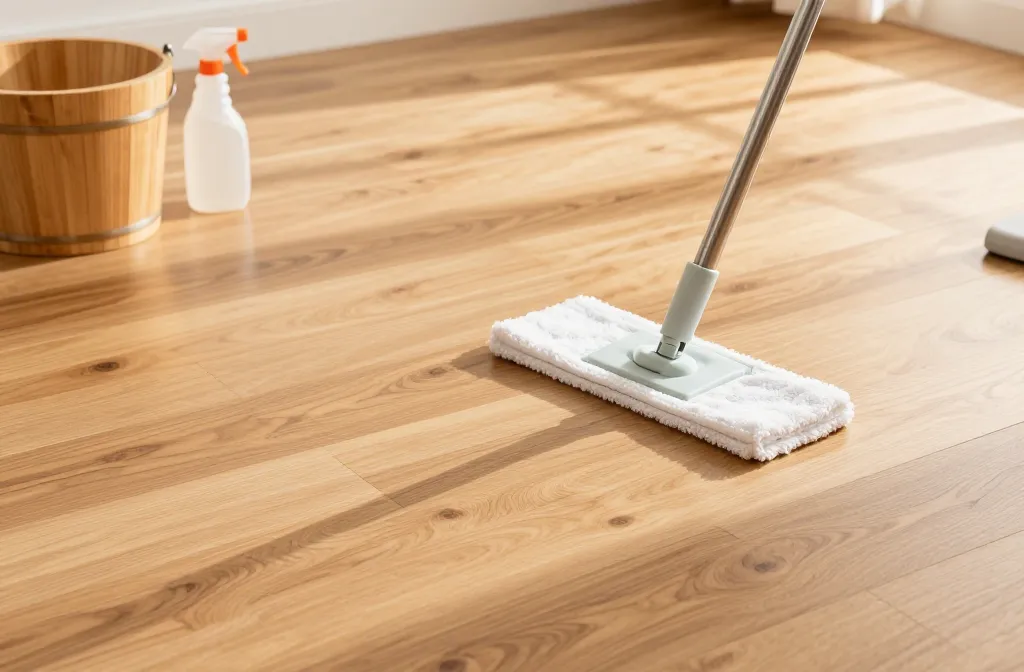
Clean wood floors by sweeping or vacuuming daily to remove dirt and debris, then damp mopping weekly with a specialized wood floor cleaner or a diluted vinegar solution. Avoid excessive water, harsh chemicals, and abrasive tools that can damage the finish or warp the wood.
Wood floors are gorgeous until they’re not. One week of tracked-in mud, pet hair tumbleweeds, and mysterious sticky spots can turn your beautiful hardwood into a disaster zone.
The good news? Keeping them clean isn’t complicated, but you do need to know what you’re doing because wood is surprisingly easy to damage if you use the wrong approach.
Step 1: Clear the Deck and Do a Dry Clean
Before you touch any liquid, you need to get the loose stuff off your floors. Grab a soft-bristle broom, a microfiber dust mop, or your vacuum (make sure it has a hardwood setting or you turn off the beater bar).
Sweep or vacuum the entire floor, paying extra attention to corners and under furniture where dust bunnies love to hide.
This step matters more than you think. If you skip it and go straight to mopping, you’ll just push dirt around and potentially scratch your finish with grit particles.
Best Tools for Dry Cleaning
- Microfiber dust mops: These trap dirt instead of scattering it around like traditional brooms
- Vacuum with hard floor attachment: Perfect for getting into crevices
- Soft-bristle broom: Old school but effective if you don’t have the other options
Step 2: Choose Your Cleaning Solution Wisely
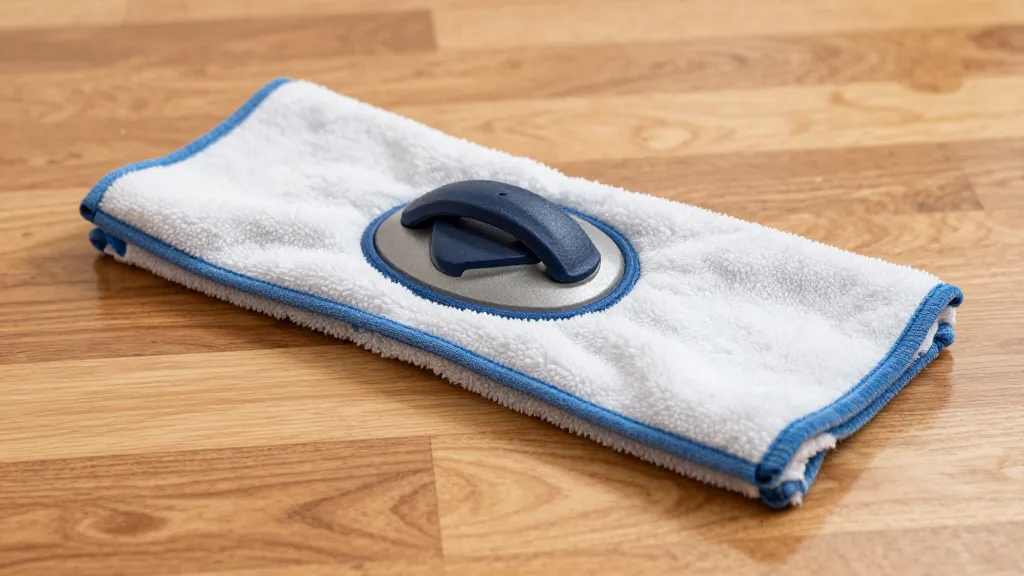
Here’s where people mess up. Wood floors hate water, so no buckets of soapy water like you’re mopping tile. You need either a commercial wood floor cleaner or a homemade solution that won’t wreck your finish.
For store-bought cleaners, look for pH-neutral formulas designed specifically for hardwood. Bona and Murphy Oil Soap are popular choices.
If you’re the DIY type, mix one cup of white vinegar with one gallon of warm water. Some people swear by adding a few drops of dish soap, but honestly, I skip that part because residue buildup is real.
Never use: Steam mops, wet mops, ammonia-based cleaners, or anything with wax (unless your floor specifically needs wax, which is rare these days).
Step 3: Damp Mop With a Light Touch
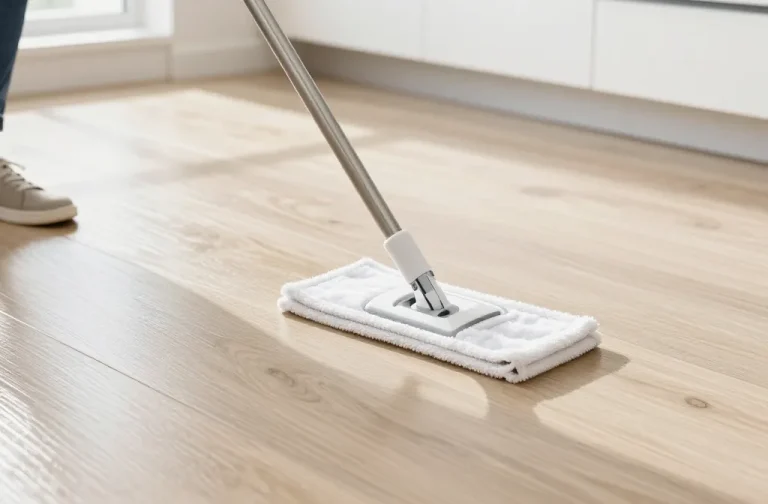
Wring out your mop until it’s barely damp. Seriously, it should feel almost dry. Excess water is wood’s worst enemy because it seeps into seams and causes warping, cupping, or finish damage.
Mop in the direction of the wood grain using smooth, even strokes. Work in small sections so you’re not leaving standing water anywhere. If you spill extra liquid, wipe it up immediately with a dry cloth.
The Two-Bucket Method
Professional cleaners often use two buckets: one with cleaning solution and one with clean water for rinsing the mop.
This keeps your cleaning water from getting progressively dirtier. It’s extra effort, but your floors will thank you.
Step 4: Tackle Stubborn Spots and Stains
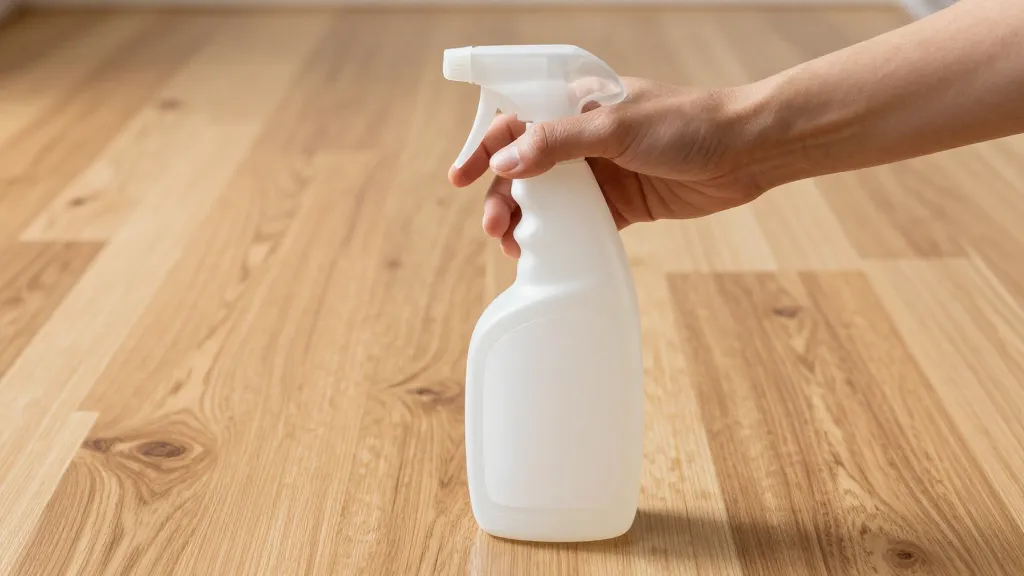
Got a spot that won’t budge with regular mopping? Don’t panic and start scrubbing like a maniac. Try these targeted approaches first.
For sticky residue, put a tiny bit of your cleaning solution directly on a microfiber cloth and gently rub the spot.
For scuff marks, a pencil eraser works surprisingly well (weird but true). For water stains or cloudy areas, you might need to buff with a wood floor polish.
FYI: If you have a stain that’s actually IN the wood rather than on top of it, surface cleaning won’t help. That’s a refinishing job.
Step 5: Dry Everything Thoroughly
After mopping, go over the floor with a clean, dry microfiber cloth or let it air dry for 10-15 minutes. Make sure no moisture is sitting on the surface. Open windows or turn on fans if your space doesn’t have great airflow.
This step prevents water spots and ensures no moisture sneaks into your floorboards. It takes two minutes and saves you from potential damage down the road.
Step 6: Maintain Between Deep Cleans
You don’t need to do the full mop routine every day. Daily sweeping or vacuuming handles most maintenance. Spot clean spills immediately instead of letting them sit.
Place doormats at entrances to catch dirt before it reaches your floors. Put felt pads under furniture legs. These small habits drastically reduce how often you need to deep clean.
Key Takeaways
- Always sweep or vacuum before wet cleaning to avoid scratching your floors with debris
- Less water is more when it comes to wood floors—your mop should be barely damp
- Use pH-neutral cleaners made for wood or a simple vinegar-water solution
- Clean spills immediately and never let moisture sit on the surface
- Daily maintenance (sweeping) beats weekly deep cleaning for keeping floors pristine