How to Clean a Fabric Couch Without Ruining It


To clean a fabric couch, start by vacuuming thoroughly to remove loose debris, then check the cleaning code tag (W, S, WS, or X) to determine which cleaning solution is safe to use. Spot-test your chosen cleaner in a hidden area before treating stains and cleaning the entire surface with gentle blotting motions.
Your couch has seen some things. Movie nights with greasy popcorn fingers. That time someone spilled red wine. The mysterious stain that appeared out of nowhere last Tuesday.
Before you panic and throw a blanket over everything, let me walk you through actually cleaning that fabric without turning it into a disaster zone.
Contents
Step 1: Find Your Couch’s Cleaning Code
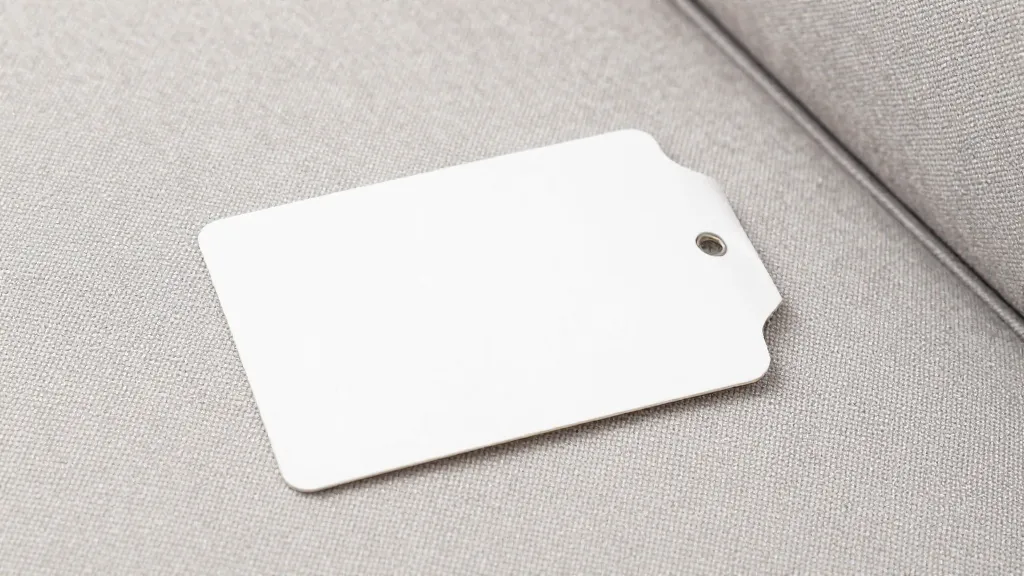
Flip up those cushions and look for a tag attached to your couch. You’re hunting for a letter code that tells you what cleaning products won’t destroy your furniture. This matters more than you think.
Here’s what the codes mean:
- W: Water-based cleaners only
- S: Solvent-based cleaners (dry cleaning solutions)
- WS: Either water or solvent works
- X: Vacuum only, no liquid cleaners allowed
If you skip this step and guess wrong, you might end up with water stains or discoloration that’s worse than the original mess. FYI, if your tag is missing or unreadable, assume it’s an S or X and proceed with extreme caution.
Step 2: Vacuum Every Surface Thoroughly
Grab your vacuum with the upholstery attachment. You need to remove all the crumbs, pet hair, dust, and mystery debris living in your couch crevices.
Don’t just wave the vacuum around the obvious spots. Get under the cushions, along the seams, and in the gaps between the armrests.
Use the crevice tool for tight spaces. This step prevents you from turning dry dirt into muddy streaks when you add moisture later.
Step 3: Mix Your Cleaning Solution
Based on your cleaning code, prepare the right solution. For W or WS codes, mix a few drops of dish soap with warm water in a bowl. You want barely-there bubbles, not a foam party.
For S codes, you’ll need a commercial dry cleaning solvent made for upholstery. Read the bottle instructions carefully. These products don’t use water, which is the whole point.
The Spot Test You Can’t Skip
Find a hidden area on your couch (back corner, under a cushion). Apply a tiny bit of your cleaning solution and wait 10 minutes.
Check for discoloration, shrinking, or weird texture changes. If anything looks off, stop immediately and consider calling a professional instead.
Step 4: Tackle Stains First

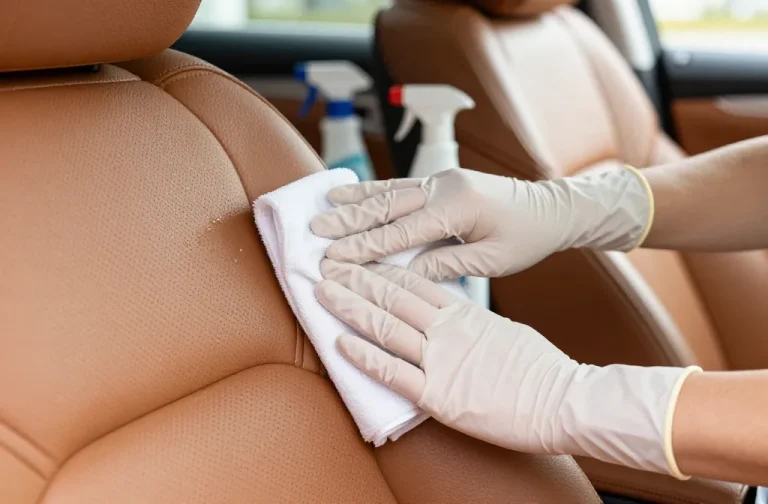
Got specific stains? Deal with them before cleaning the whole couch. Dip a clean white cloth into your solution and blot the stain. Don’t rub, don’t scrub, just press and lift.
Work from the outside of the stain toward the center. This prevents spreading it into a bigger problem.
Keep using clean sections of your cloth as you go. For stubborn spots, you might need several rounds of blotting with fresh solution.
Special Stain Situations
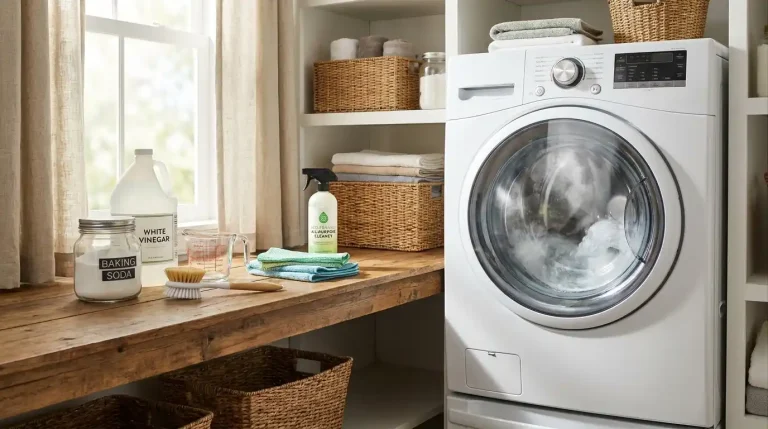
- Grease: Sprinkle baking soda on it, let it sit for 15 minutes, then vacuum before wet cleaning
- Ink: Dab with rubbing alcohol on a cotton ball (if your code allows it)
- Pet accidents: Use an enzyme cleaner designed for upholstery first
Step 5: Clean the Entire Surface
Now for the main event. Dip your cloth in the cleaning solution, wring it out until it’s barely damp, and wipe down all the fabric surfaces. Work in sections so nothing dries with streaks.
Keep your cloth as dry as possible. Soaking your couch leads to mold, mildew, and a funky smell that’ll haunt you for months.
Less is genuinely more here. I learned this the hard way with a microfiber loveseat that took three days to dry and smelled like a wet dog the entire time.
Step 6: Rinse and Dry Properly
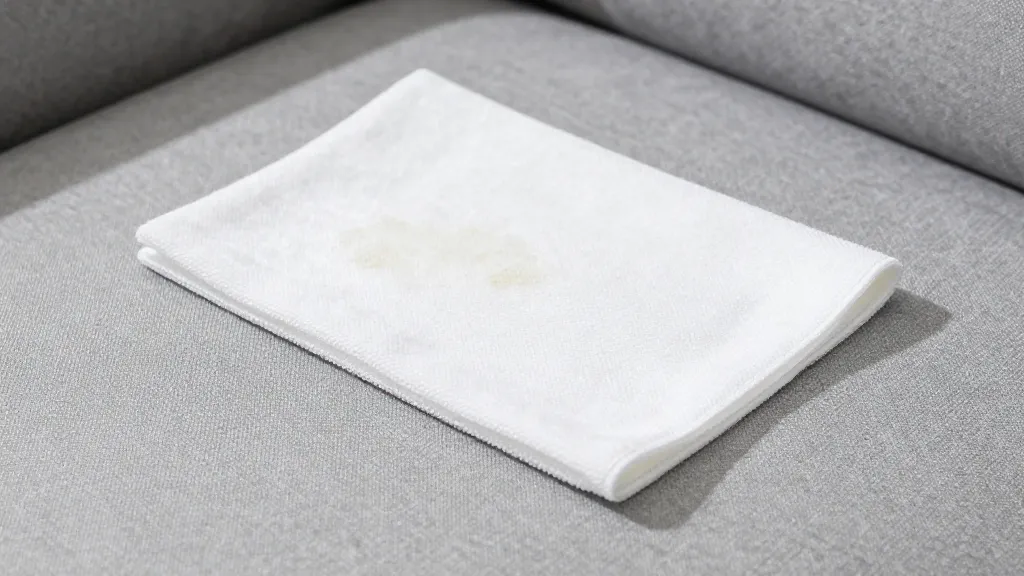
If you used a water-based cleaner, go over everything again with a clean cloth dampened with plain water. This removes soap residue that attracts dirt later.
Drying is crucial. Open windows, turn on fans, or use a dehumidifier. Don’t sit on the couch until it’s completely dry. Depending on humidity and how wet you got things, this could take anywhere from 2 to 24 hours.
Speed Up Drying Time
Point a box fan directly at the couch. Air circulation makes a massive difference. If you have ceiling fans, crank those up too. Just don’t use a hairdryer or heater, which can shrink or damage the fabric.
Step 7: Restore the Texture
Once everything’s dry, your fabric might look a little flat or matted. Run a soft brush over the surface to fluff up the fibers. This brings back that fresh, clean texture.
For velvet or suede-like fabrics, use a suede brush. For regular upholstery, a clean scrub brush or even a dry sponge works fine.
Key Takeaways
- Always check the cleaning code tag before using any liquid on your couch
- Vacuum first to prevent turning dry dirt into muddy disasters
- Use barely-damp cloths, not soaking wet ones, to avoid mold and long drying times
- Blot stains instead of rubbing them, working from the outside in
- Let your couch dry completely before using it again