How to Clean Vinyl Floors Without Ruining Them

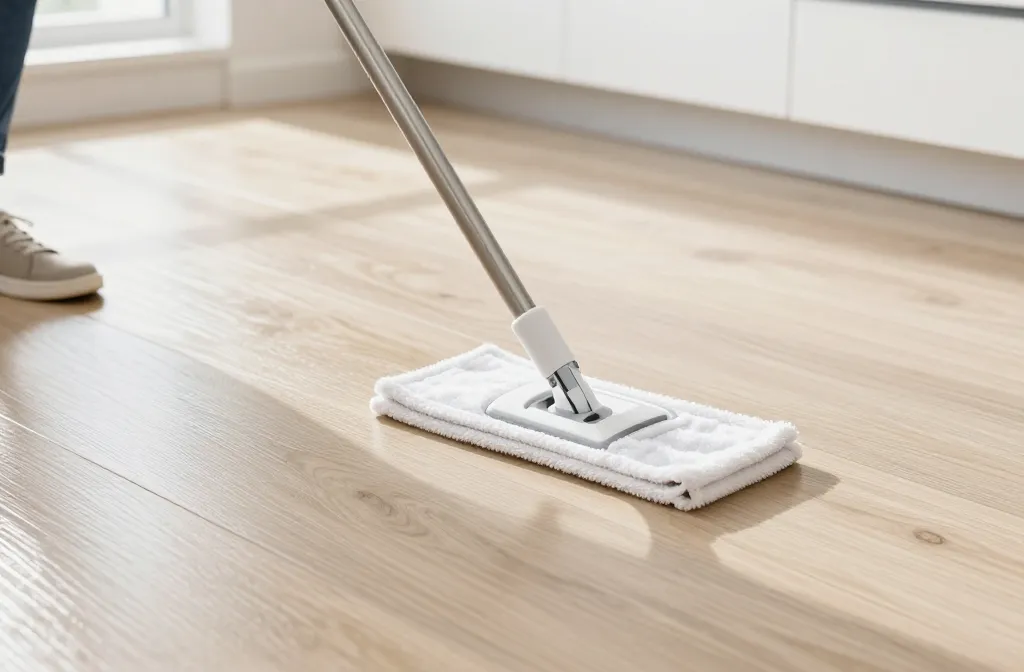
Vinyl floors require regular sweeping or vacuuming followed by damp mopping with a pH-neutral cleaner mixed with warm water, avoiding excessive moisture and harsh chemicals that can damage the protective wear layer.
For best results, use a microfiber mop and immediately dry any standing water to prevent seepage between planks or tiles.
How to Clean Vinyl Floors
Vinyl flooring is basically the MVP of low-maintenance surfaces, but that doesn’t mean you can just ignore it and hope for the best.
Dirt, grime, and those mysterious sticky spots (how do they always appear near the fridge?) can dull the finish and make your floors look tired.
The good news? Keeping vinyl clean is ridiculously simple if you know what you’re doing.
Step 1: Clear the Deck and Dry Clean First
Before you even think about water, you need to get rid of the loose dirt. Sweeping or vacuuming might sound boring, but skipping this step means you’ll just be pushing dirt around when you mop. Trust me, I learned this the hard way.
Use a soft-bristle broom or a vacuum without a beater bar (those spinning brushes can scratch vinyl over time). Pay extra attention to corners and under furniture edges where dust bunnies throw their secret parties.
If you have a vacuum with a hard floor setting, use it. Takes about five minutes and saves you from that gritty feeling underfoot later.
Step 2: Mix Your Cleaning Solution the Right Way
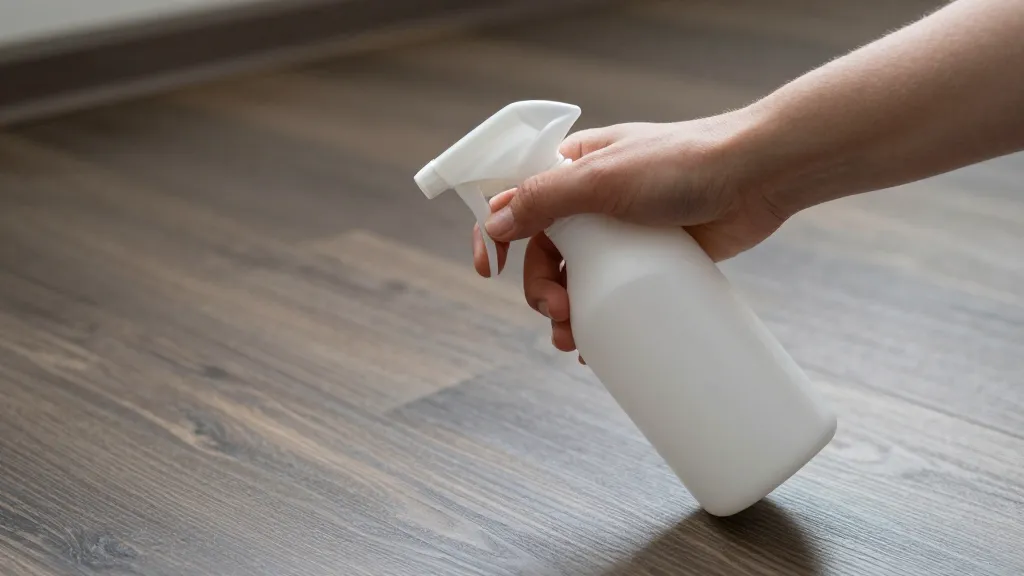
Here’s where people mess up. Vinyl floors hate harsh chemicals. Avoid anything with ammonia, bleach, or abrasive ingredients because they’ll strip the protective coating and leave your floors looking cloudy or worse.
Your best bet? Mix a few drops of dish soap or a commercial vinyl floor cleaner with a gallon of warm water. The water should be warm, not hot.
Scalding water can actually warp vinyl, especially the cheaper stuff. I typically use about a tablespoon of cleaner per gallon, but check your product’s label because some are more concentrated.
DIY Cleaner Option
If you’re into the whole natural cleaning thing, try mixing one cup of white vinegar with a gallon of water. Some people swear by it.
Just don’t use vinegar too often because the acidity can eventually dull the finish. Once a month max, IMO.
Step 3: Damp Mop (Not Drench) Your Floors
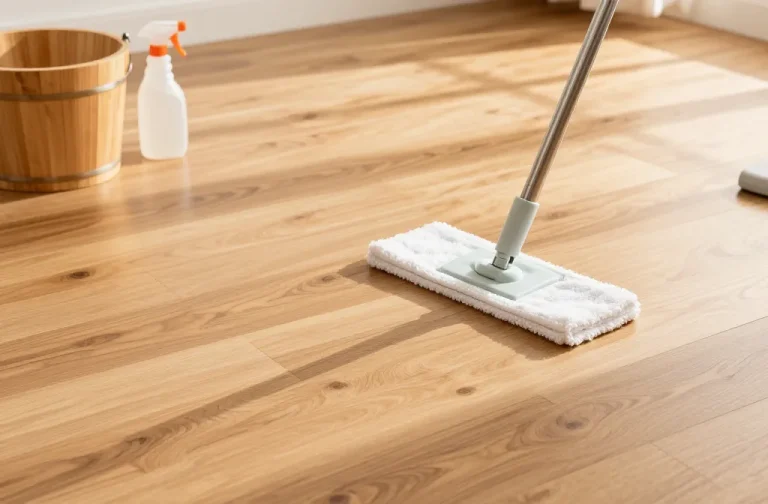
This is critical: vinyl and standing water are not friends. You want your mop damp, not soaking wet. Wring it out thoroughly before you start.
Work in sections, maybe 4×4 feet at a time. Mop in the direction of the planks if you have vinyl plank flooring. This helps prevent water from seeping into the seams. For sheet vinyl, you’ve got more freedom, but still keep things on the drier side.
Change your mop water when it starts looking dirty. Mopping with grimy water is basically just redistributing filth, which defeats the entire purpose.
Step 4: Tackle Stubborn Spots and Scuffs
Got a sticky spot that won’t budge? Don’t panic and reach for the abrasive scrubber. Instead, apply a bit of your cleaning solution directly to the spot and let it sit for a minute.
For scuff marks (usually from shoe soles), try rubbing them gently with a tennis ball or a pencil eraser. Sounds weird, but it actually works.
For tougher stains like ink or lipstick, use a tiny bit of rubbing alcohol on a cloth. Test it in an inconspicuous spot first, though.
What About Those Mystery Stains?
- Grease or oil: A drop of dish soap on a damp cloth works wonders
- Juice or wine: Baking soda paste (mix with a little water) applied gently
- Nail polish: Non-acetone remover, but be super careful and test first
Step 5: Dry Everything Properly
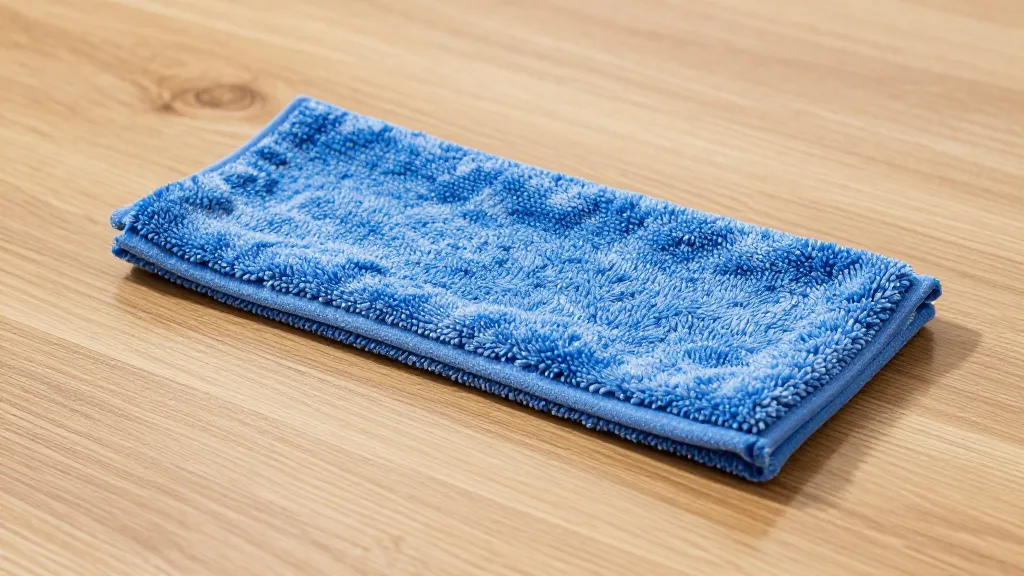
After mopping, go over the floor with a dry microfiber cloth or let it air dry completely. This step prevents water spots and keeps moisture from sneaking between seams.
FYI, this is especially important if you have luxury vinyl plank (LVP) flooring. Those seams can let water underneath if you’re careless, and that’s how you end up with warping or mold. Not fun.
Step 6: Establish a Regular Cleaning Schedule
Daily sweeping in high-traffic areas keeps grit from acting like sandpaper on your floors. Weekly damp mopping handles the rest.
Monthly deep cleaning takes care of buildup. Honestly, the more consistent you are with quick maintenance, the less often you’ll need to do the hands-and-knees deep clean thing.
It’s all about preventing problems rather than fixing them later.
Extra Protection Tips
- Put mats at doorways to trap dirt before it hits your vinyl
- Use felt pads under furniture legs to prevent scratches
- Wipe up spills immediately (especially anything acidic like soda)
- Avoid dragging heavy objects across the floor
Key Takeaways
- Always sweep or vacuum before mopping to prevent scratching your floors with loose dirt
- Use only pH-neutral cleaners and keep your mop damp, never soaking wet
- Address spills and stains immediately to prevent them from setting in or damaging the finish
- Regular light cleaning beats occasional intense scrubbing every single time
- Protect your investment with door mats and furniture pads to minimize daily wear