How to Design Backyard Fire Pit Ideas That Look Expensive on Any Budget

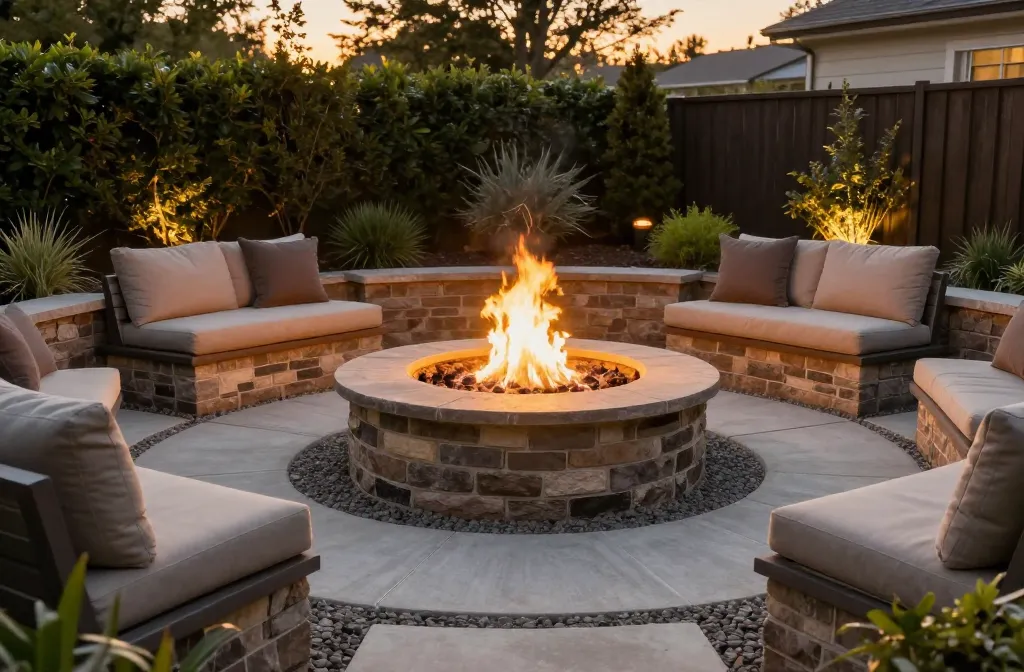
Creating a luxurious-looking backyard fire pit on a budget involves choosing affordable materials like concrete pavers or repurposed stones, incorporating strategic landscaping around the pit, and adding inexpensive yet stylish finishing touches like gravel pathways and outdoor lighting.
The key is focusing on clean design lines and intentional placement rather than expensive materials.
How to Design Backyard Fire Pit
Nothing says “outdoor luxury” quite like a beautiful fire pit. You know those Instagram-worthy backyards that make you wonder if the owners took out a second mortgage? Here’s the secret: most of them didn’t spend nearly as much as you think.
With smart material choices and a little creativity, you can build something that looks like it cost thousands while spending a fraction of that.
Step 1: Choose Your Fire Pit Style Based on What You Already Have
Before you buy anything, walk around your yard. What’s the vibe? Modern minimalist? Rustic farmhouse? Your fire pit should match your existing landscape, not fight against it.
In-ground fire pits work great if you have a flat area and don’t mind digging. They look built-in and permanent (translation: expensive).
Above-ground options are easier but can look cheap if you’re not careful. The trick? Surround them with intentional hardscaping so they look like part of a master plan.
FYI, круглые fire pits are easier for beginners than square ones. No tricky corner angles to deal with.
Step 2: Source Materials That Punch Above Their Price Point
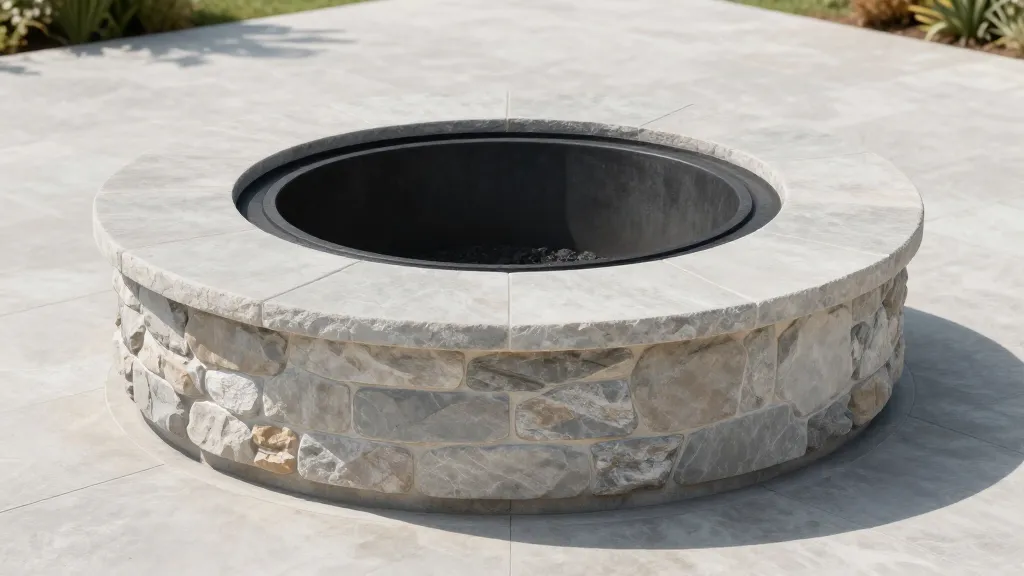
This is where you save serious money without anyone knowing. Skip the fancy fire pit kits at big box stores. They’re marked up like crazy.
Budget-Friendly Materials That Look Premium
- Concrete pavers: Stack these in a circle and you’ve got an instant fire pit for under $100. Choose pavers with texture or color variation for a custom look.
- Retaining wall blocks: These interlock perfectly and come in stone-look finishes that fool most people.
- River rock and pea gravel: A $30 bag goes a long way for filling and surrounding your pit.
- Repurposed materials: Old bricks, salvaged stone, even a metal tractor wheel rim (honestly works great as a fire ring).
Pro tip: Visit construction sites and ask about leftover materials. You’d be surprised what people will give away just to avoid hauling it.
Step 3: Build With Proper Dimensions for a Professional Look
Size matters here. Too small looks sad and temporary. Too big wastes materials and creates awkward conversations across a fire chasm.
The sweet spot? 36 to 44 inches in diameter for the interior burning area. This fits 6 to 8 people comfortably around it. Make your walls at least 12 inches tall to contain the fire properly and look substantial.
If you’re going in-ground, dig down 12 to 18 inches and line it with sand or gravel for drainage. Nobody talks about drainage, but it’s what separates a fire pit that lasts from one that becomes a mosquito pond.
Step 4: Create a Defined Seating Area
Here’s where the magic happens. The fire pit itself might cost $150, but the area around it makes it look like a $3,000 professional install.
Hardscaping Around Your Fire Pit
Lay down a paver patio in a circle extending 3 to 4 feet from the pit’s edge. This doesn’t need to be perfect. Slightly irregular stone patterns actually look more expensive than uniform ones. Use polymeric sand between pavers (it hardens when wet and prevents weeds).
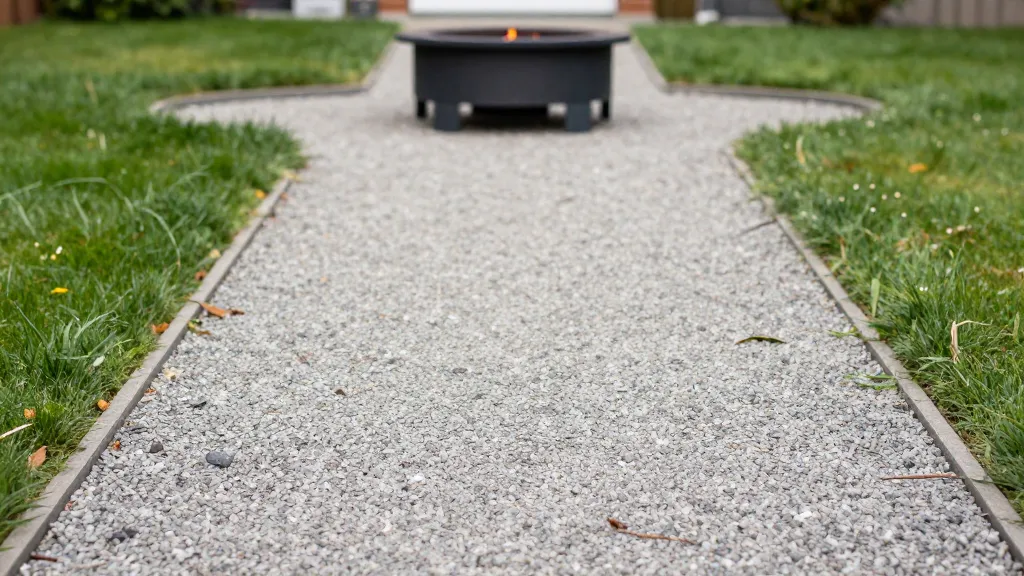
Can’t afford pavers everywhere? Do a gravel base with strategically placed stepping stones. Add a border of larger rocks to define the space. Boom, intentional design.
Step 5: Add Lighting That Creates Ambiance
Lighting transforms everything. I’m not talking about those sad solar stakes that die after three months.
String cafe lights overhead between posts or trees (about $40 for decent ones). Add a couple of low-voltage path lights leading to your fire pit area. The warm glow makes everything look upscale, especially at night when people actually use fire pits.
Splurge on one good solar spotlight ($25) to uplight a nearby tree. The layered lighting effect screams professional landscape design.
Step 6: Incorporate Greenery and Texture
Plants are your secret weapon. They soften hard edges and make new construction look established.
Plant low-growing perennials around the outer edge of your seating area. Creeping thyme between pavers smells amazing when stepped on. Ornamental grasses add movement. A few larger pots with hardy plants (that you won’t kill) near seating areas add polish.
Use mulch or decorative rock to connect your fire pit area to existing garden beds. This visual flow makes everything look planned rather than plopped down randomly.
Step 7: Finish With Thoughtful Details
The final 10% of effort creates 50% of the wow factor. Add a dedicated firewood storage area near your pit. Even just a few logs stacked neatly look intentional. A galvanized bucket for kindling costs $15 but looks farmhouse chic.
Consider a small side table (or flat stone) near seating for drinks. Add an outdoor rug under seating if you have furniture. These tiny touches separate “DIY project” from “custom outdoor living space.”
IMO, matching your fire pit accessories to your overall style matters more than the pit itself. Rustic metal tools for a farmhouse vibe. Sleek concrete accents for modern designs.
Key Takeaways
- Focus your budget on the area around the fire pit rather than the pit itself for maximum impact
- Choose materials with texture and variation rather than perfectly uniform options (they look more custom)
- Proper dimensions and clean installation matter more than expensive materials
- Lighting and landscaping integration transform a simple fire pit into a designed outdoor space
- Small finishing details like wood storage and defined pathways create a cohesive, intentional look