How to Clean Leather Car Seats Like a Pro

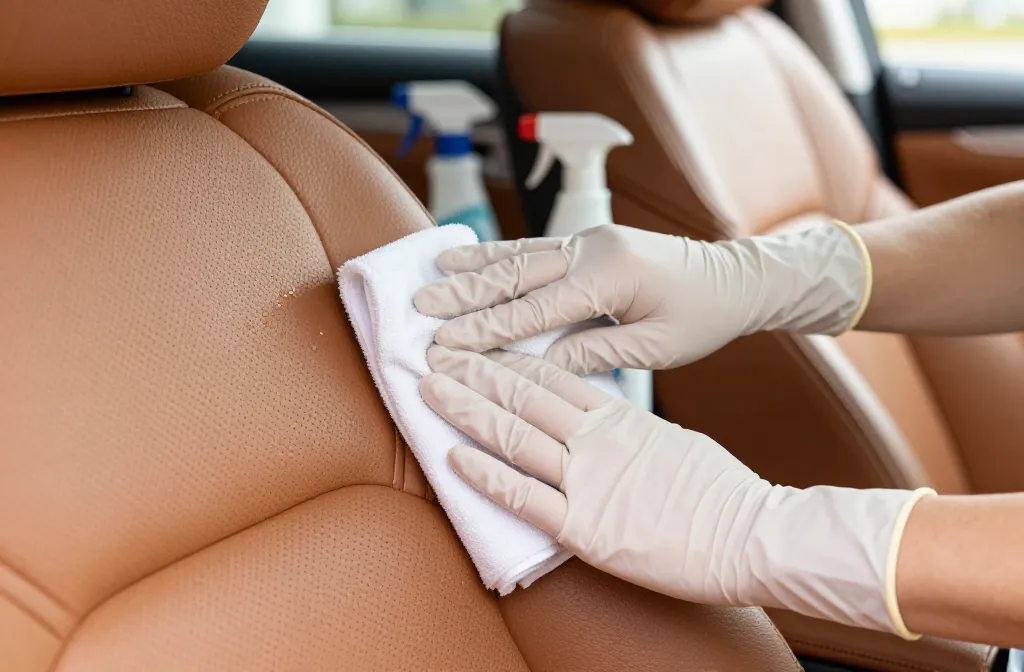
Cleaning leather car seats requires vacuuming loose debris, wiping down surfaces with a pH-neutral leather cleaner applied to a microfiber cloth, and conditioning the leather afterward to prevent cracking.
The process takes about 30 minutes and should be done every 3-6 months to maintain the leather’s appearance and durability.
How to Clean Leather Car Seats: Step-By-Step
Your car’s leather seats probably cost more than your couch at home, yet they get way more abuse. Coffee spills, dirt from your gym bag, mystery crumbs from that drive-through breakfast you swore you’d never eat in the car again.
Leather looks amazing when it’s cared for, but neglect it and you’ll end up with cracked, faded seats that scream “I gave up.” Let’s fix that.
Step 1: Clear Out and Vacuum Everything
Remove everything from your car seats. Yes, everything. That means jackets, bags, random receipts, and whatever else has been living there rent-free.
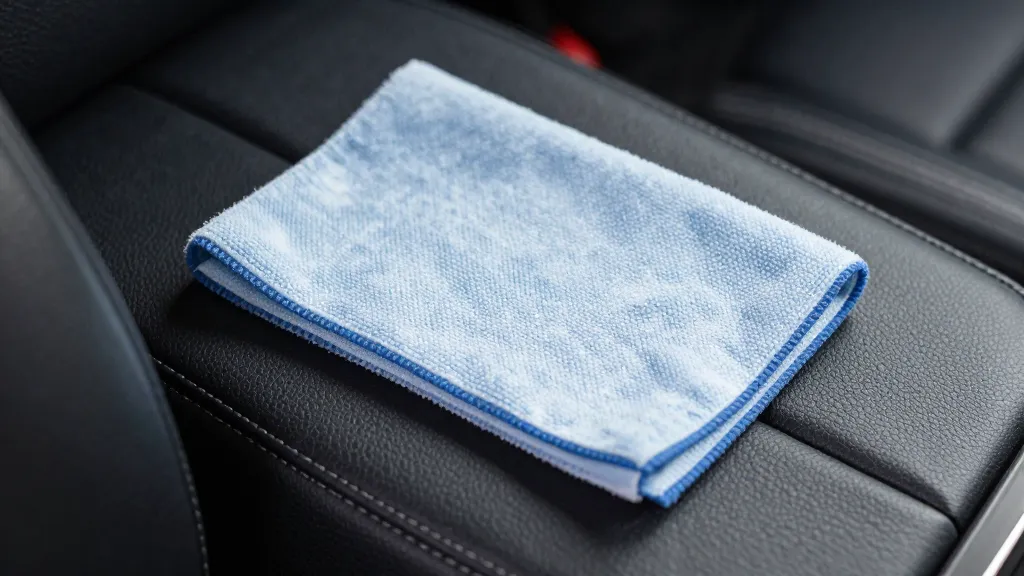
Grab your vacuum with the brush attachment and go over every inch of the seats. Pay special attention to the seams and crevices where dirt loves to hide.
Don’t skip this step. Rubbing dirt into leather with a cloth is basically just scratching it up on purpose.
Step 2: Test Your Cleaner in a Hidden Spot
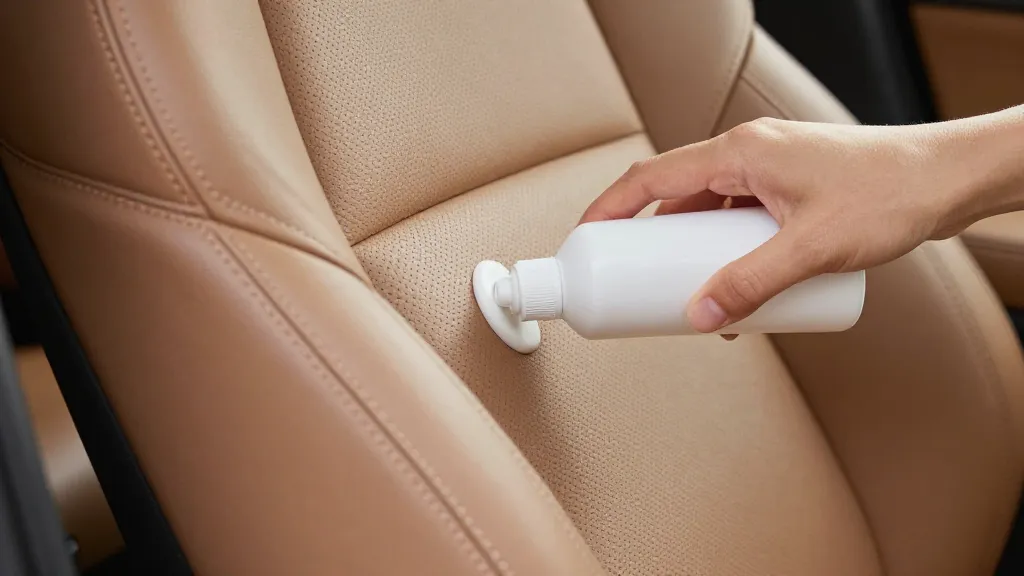
Before you go wild with any cleaning product, test it somewhere nobody will notice. The back of the seat or under the headrest works perfectly.
Apply a tiny amount of your leather cleaner to a microfiber cloth and rub it on the test spot. Wait about five minutes.
If the color stays the same and nothing weird happens, you’re good to go. If it changes color or gets sticky? Stop immediately and try a different product.
Step 3: Apply Leather Cleaner the Right Way
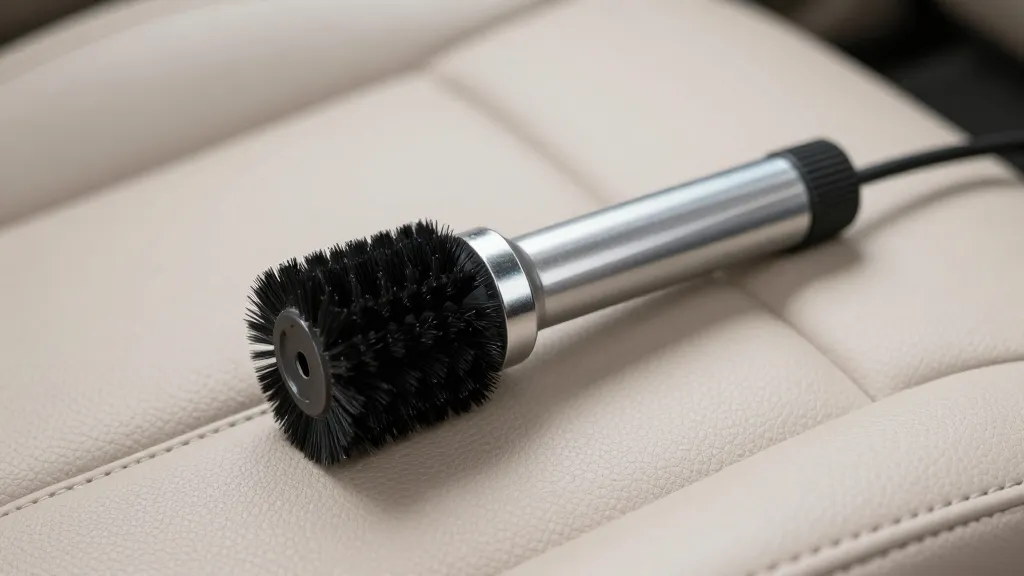
Here’s where people mess up. They spray cleaner directly onto the seat and wonder why it leaves streaks or soaks in too deep. Don’t do that.
Spray your cleaner onto a microfiber cloth instead, not the seat itself. Use gentle circular motions to work it into the leather. You’re not scrubbing a grill here. Light pressure is plenty.
What Cleaner Should You Actually Use?
Honestly? A pH-neutral leather cleaner made specifically for automotive use is your safest bet. Chemical Guys and Lexol both make solid options that won’t strip the protective coating.
FYI, household cleaners like Windex or dish soap can dry out leather faster than you’d think. Save those for your kitchen.
Step 4: Wipe Away Residue and Dry
Take a clean, dry microfiber cloth and wipe down the seats to remove any leftover cleaner. You don’t want product sitting on the leather.
Let the seats air dry completely before moving to the next step. This usually takes 10-15 minutes. Open your car doors if you’re in a hurry.
Step 5: Condition the Leather
Cleaning strips away oils from leather. Conditioning puts moisture back in and prevents cracking down the road. Think of it like moisturizer for your seats.
Apply a small amount of leather conditioner to another clean microfiber cloth. Rub it into the seats using the same gentle circular motions.
A little goes a long way here. Too much conditioner leaves seats feeling greasy and attracts more dirt.
How Often Should You Condition?
Every three months is ideal if you live somewhere with extreme temperatures. Twice a year works fine for milder climates.
I’m honestly not sure conditioning more often helps, and it might actually create buildup.
Step 6: Tackle Stubborn Stains Separately
Got a stain that didn’t budge with regular cleaning? You’ll need a different approach.
For ink stains, try rubbing alcohol on a cotton swab. Dab it gently, don’t rub. For grease, sprinkle baking soda on the spot, let it sit for a few hours to absorb the oil, then vacuum it up.
Never use bleach or harsh chemicals on leather unless you want permanent damage.
Key Takeaways
- Vacuum first, always. Dirt plus rubbing equals scratches.
- Never spray cleaner directly on leather seats. Use a microfiber cloth as your middleman.
- Conditioning isn’t optional. Skip it and your seats will crack within a couple years.
- Test every product in a hidden spot before using it on visible areas.
- Clean your leather seats every 3-6 months to keep them looking new.