How To Clean a Dishwasher: A Step-by-Step Guide

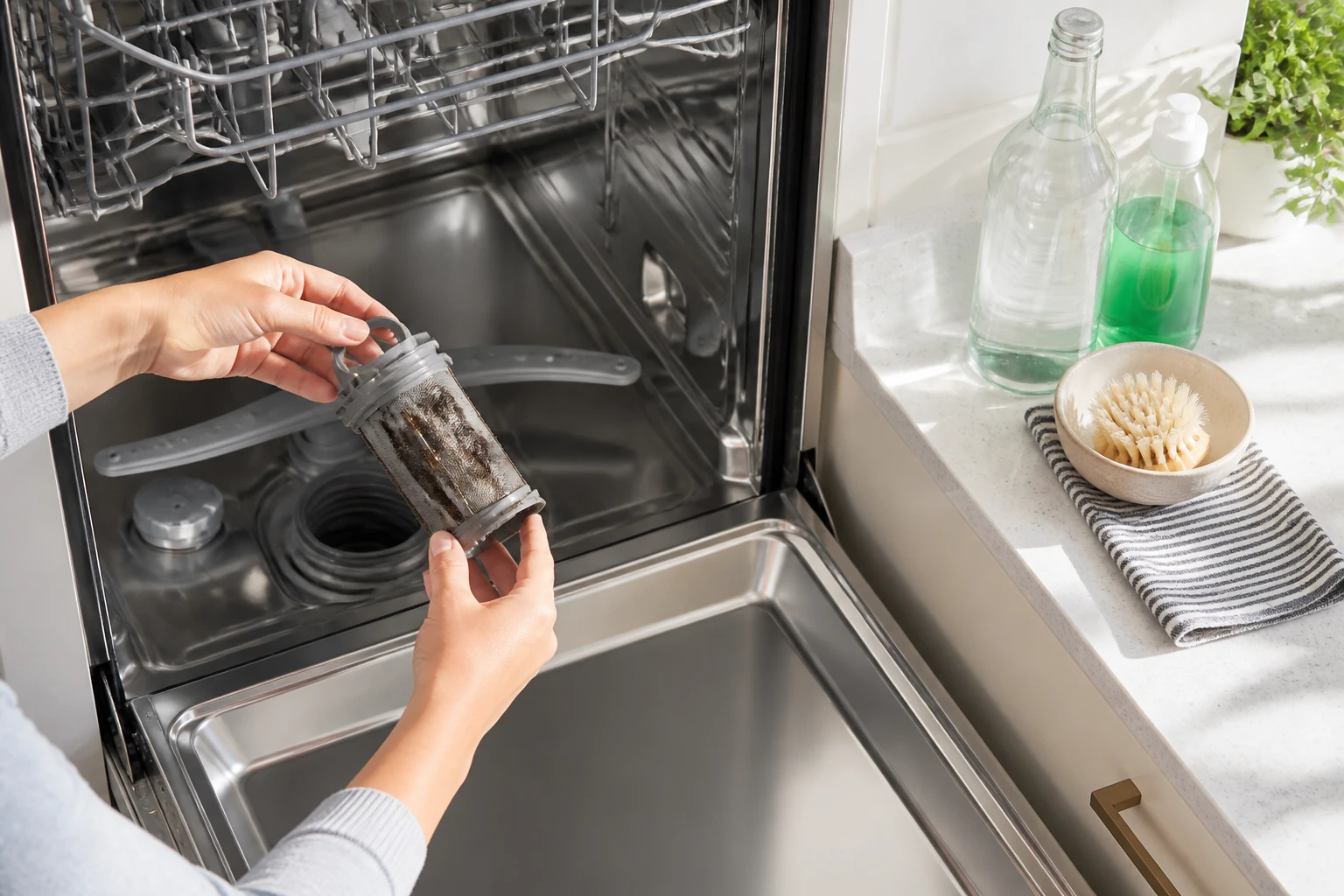
Dishwashers need regular deep cleaning because grease, soap scum, and food particles build up inside over time, causing bad odors and reducing cleaning performance. This is done by removing and soaking the parts, wiping the interior with a vinegar-based cleaner, running a hot cleaning cycle, and polishing the exterior.
Your dishwasher cleans your dishes, but who cleans the dishwasher? If you’ve noticed weird smells coming from your machine or spotted some questionable gunk building up around the edges, you’re not alone.
The good news is that deep cleaning your dishwasher is way easier than you think, and you probably already have everything you need sitting in your pantry right now.
Start With the Filter (Yes, Your Dishwasher Has a Filter)
Here’s something that blows a lot of people’s minds: your dishwasher has a filter, and it’s probably disgusting right now. Sorry, but someone had to tell you.
Pull out the bottom rack completely so you can access the bottom of your dishwasher. You’ll spot a cylindrical filter right there in the center.
Give it a counterclockwise twist and it should pop right out. Don’t be shocked if it looks like something from a horror movie—that’s totally normal if you’ve never cleaned it before.
While you’re down there, grab that little flat basket tray underneath the filter too. Both of these bad boys are going to take a nice relaxing bath in your sink.
The Soaking Station: Your Sink Becomes a Spa
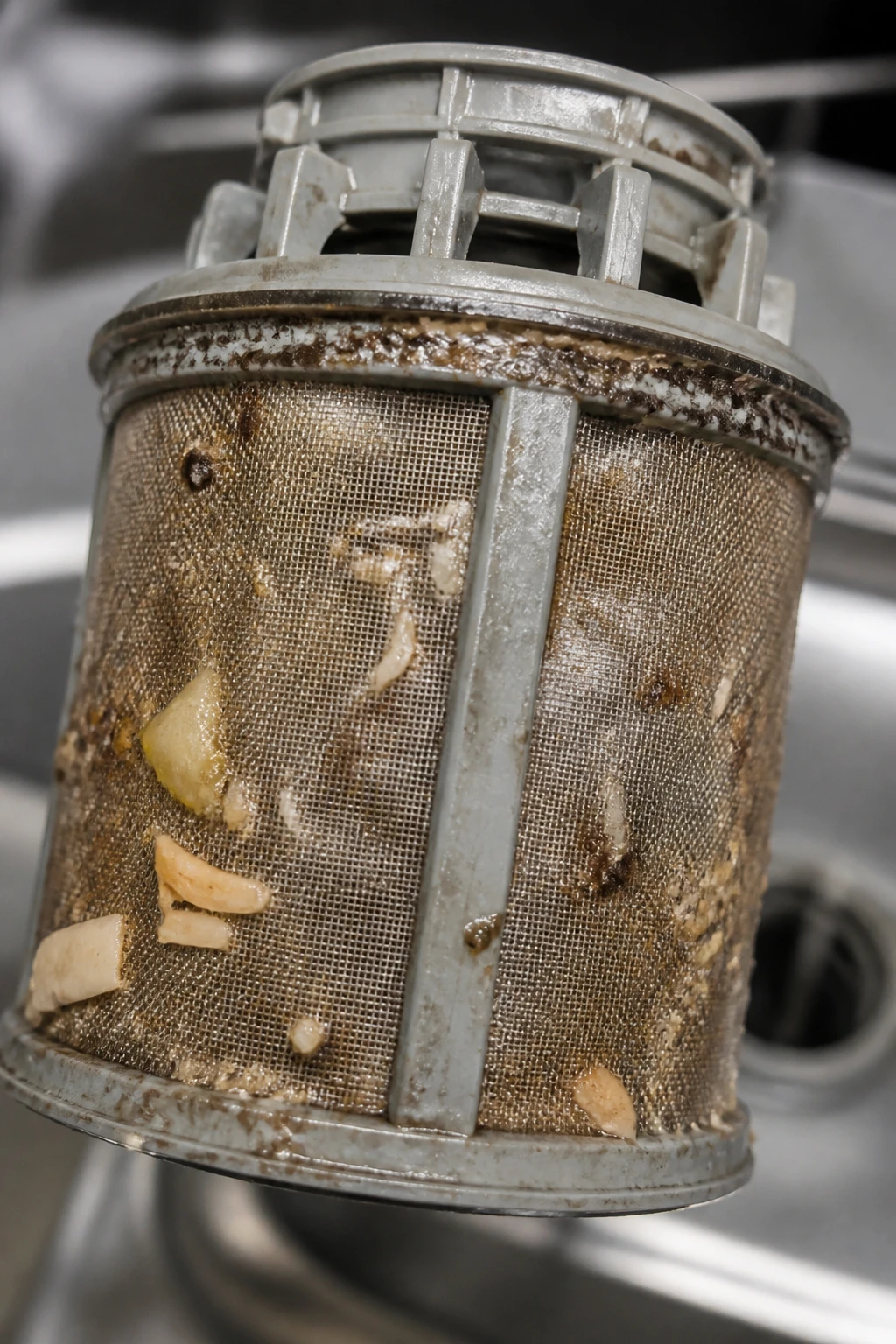
Fill up your sink with warm water and toss in the filter and basket tray. Now here’s where the magic happens. Add about one cup of white vinegar and a good squirt of Dawn dish soap (or whatever dish soap you’ve got—we’re not picky here).
Let everything soak while you tackle the rest of the dishwasher. The vinegar works to break down all that built-up grease and grime, while the dish soap handles the rest. It’s like a tag team wrestling match against dirt.
Attack the Hidden Gunk Zones
While those parts are soaking, it’s time to address the gross spots most people completely ignore. Spoiler alert: there are a lot of them.
The Edge Trap
Check out the edge where the door meets the dishwasher body. See that buildup? Yeah, that’s food particles and soap scum having a party.
Mix up a quick cleaning solution with one cup white vinegar, one cup water, and about a teaspoon of Dawn dish soap in a spray bottle.
Spray down those edges generously and wipe them down with a microfiber towel. You’ll be amazed (and maybe a little grossed out) by what comes off.
The Secret Line Nobody Thinks About
Here’s a pro tip: there’s a line right inside the door that never gets cleaned during regular wash cycles.
When the door closes, this area gets sealed off from all the cleaning action happening inside. Give it the same spray-and-wipe treatment you used on the edges.
That Mysterious Vent Port
Not every dishwasher has one of these, but if yours does, you’ll usually find a little vent port either on the door or inside the machine.
You can pop it off with a flathead screwdriver by giving it a quarter turn. Toss it in the sink with your other soaking parts and wipe out the area where it sits.
Rinse and Replace Everything
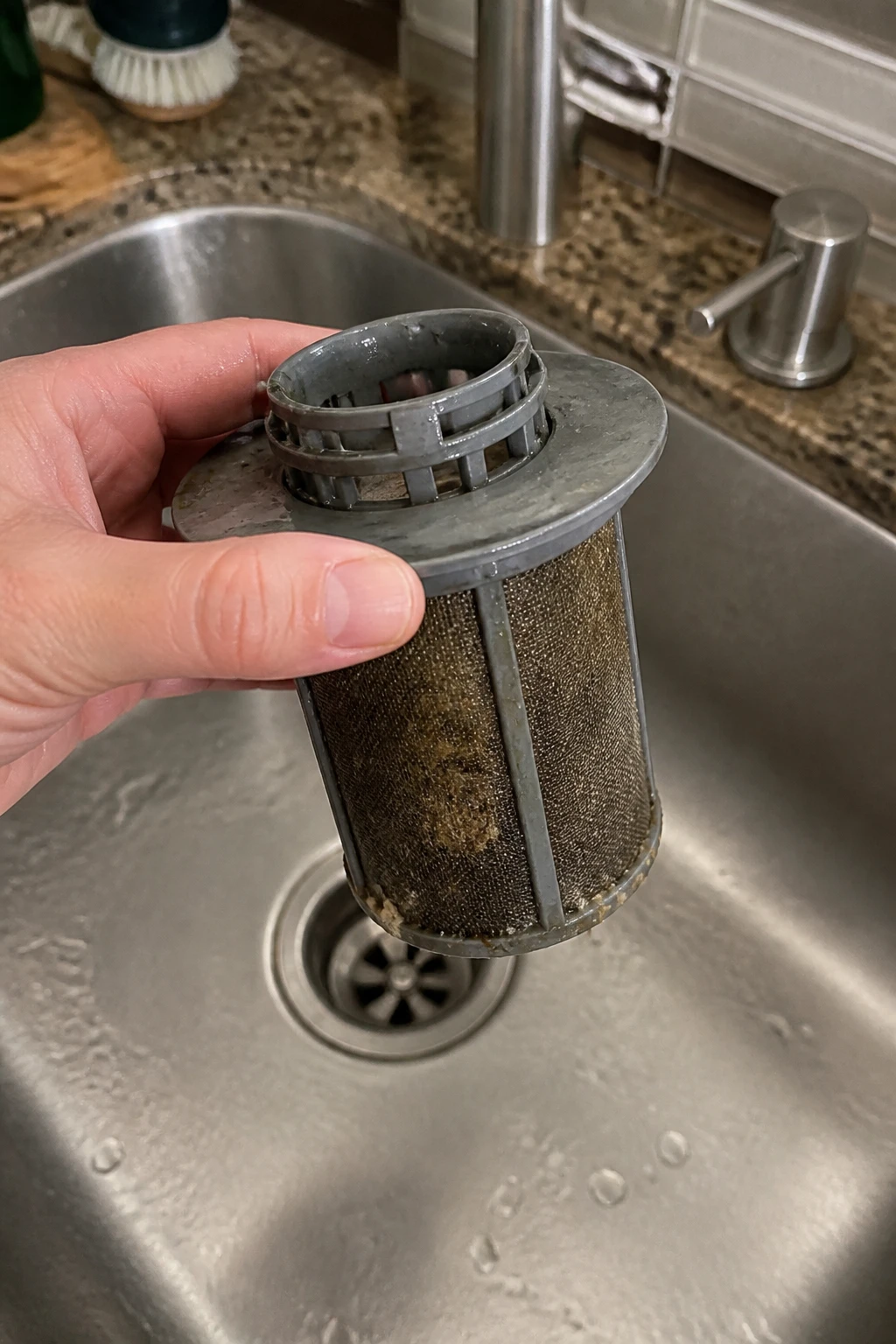
After letting everything soak for about 15-20 minutes, pull the plug on your sink and rinse off the filter and basket tray.
You should notice a huge difference already—the water you drain will probably look pretty nasty, which means it’s working.
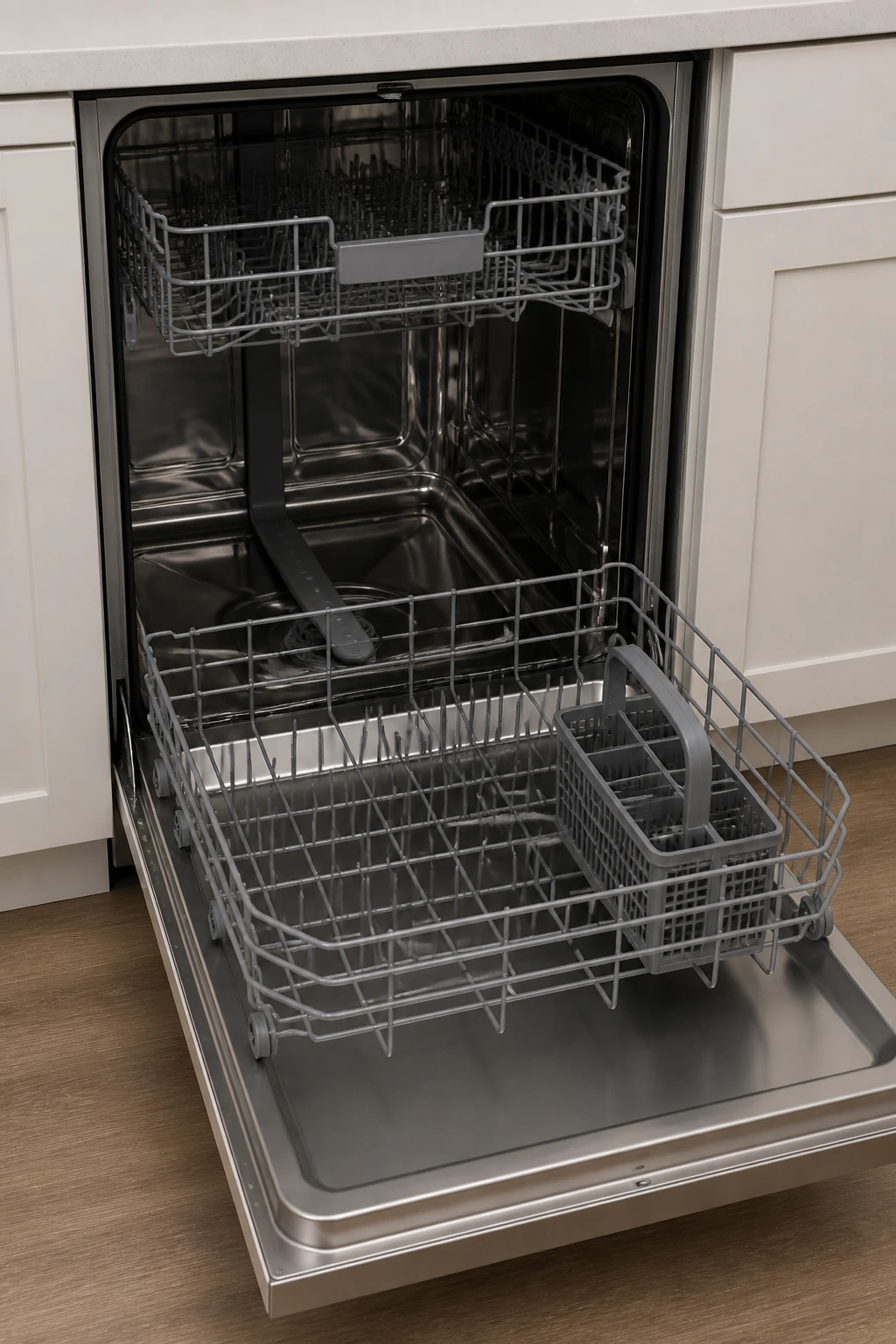
Put the filter back on the top rack of your dishwasher along with the little basket tray and vent cover.
This lets them get an extra clean during the cycle you’re about to run. Slide the bottom tray back into place, and move your utensil holder to the side to give everything maximum exposure.
Running the Deep Clean Cycle
Now for the main event. You’ve got two options here, and both work great.
Option 1: Use a Cascade dishwasher cleaning pod (or any similar product) and pop it in the detergent drawer.
Option 2: Place a glass filled with white vinegar on the top rack. Old school but totally effective.
Select the normal wash cycle with high temp wash. You don’t need heat dry since there aren’t any actual dishes in there.
The Hot Water Hack
Here’s a game-changing tip that most people don’t know: before you start the cycle, run your kitchen sink’s hot water for about 30 seconds. Wait until you see a little steam coming off the water.
This ensures your dishwasher starts with hot water right from the beginning instead of waiting for the water heater to kick in.
FYI, this makes a massive difference in cleaning power.
Close everything up and let the cycle run its course.
The Finishing Touches
Once the cycle finishes, you’re almost done. Pull out the bottom rack one more time and check the spray arm coils.
Sometimes you’ll notice little rust-colored spots on them (if you know why this happens, please explain it to me because it’s weird). Give them a gentle wipe with your vinegar cleaning solution.
Do a quick once-over of the entire interior while you’re at it. Catch any spots you might have missed earlier.
Pop the clean filter back in with a clockwise turn until it’s snug and secure. Slide everything back into place, and congratulations—you’ve got yourself a sparkling clean dishwasher.
Bonus: Clean the Outside Too
If you’ve got a stainless steel dishwasher, grab some stainless steel cleaner (Bar Keeper’s Friend makes a good one).
Spray the exterior and wipe with the grain using a clean microfiber towel. Buff it with a dry section of the towel to eliminate streaks. It’s the cherry on top of your cleaning sundae.
Keep It Clean Going Forward
Now that you’ve put in all this work, keep your dishwasher in good shape by doing quick monthly filter rinses and running a cleaning cycle every few months. It takes way less time than this initial deep clean, and your future self will thank you.
IMO, a clean dishwasher just works better. You’ll notice your dishes come out cleaner, your machine runs more efficiently, and that weird smell? Gone.
Plus, there’s something incredibly satisfying about knowing the appliance that cleans your stuff is actually clean itself. It’s the circle of kitchen life, and you’ve just completed it.
Frequently Asked Questions
How often should I clean my dishwasher filter?
Ideally, you should rinse your filter once a month and do a deep clean every 3-6 months depending on how often you use your dishwasher. If you’re running it daily, lean toward the monthly deep clean schedule. Your nose will also tell you when it’s time—trust me on that one.
Can I use regular vinegar instead of white vinegar?
Stick with white vinegar for this job. Other types of vinegar can leave behind residues or stains that you definitely don’t want in your dishwasher. White vinegar is cheap, effective, and won’t leave any weird colors or smells behind.
Why does my dishwasher smell even after I clean it?
If the smell persists after a deep clean, you might have a clog in your drain hose or garbage disposal connection. Food particles can get trapped in these areas and create some seriously funky odors. You might need to check those connections or call in a pro if the smell won’t quit.
Is it safe to run the dishwasher empty with just vinegar?
Absolutely! Running an empty cycle with vinegar is one of the safest and most effective ways to clean your dishwasher. The acidity breaks down mineral deposits and soap scum without damaging any components. Just avoid mixing vinegar with bleach—that creates toxic fumes.
What if I don’t have Dawn dish soap?
Any dish soap will work fine for this cleaning method. Dawn just happens to be really good at cutting through grease, but your store brand or whatever you have under the sink will do the job. Don’t overthink it.
Should I remove the spray arms to clean them?
Most of the time, you don’t need to remove them. The cleaning cycle will flush them out pretty well. However, if you notice visible clogs in the spray holes, you can usually pop them off easily and rinse them separately. Check your dishwasher manual if you’re not sure how they come off.