How to Decorate a Small Bedroom for a Bigger Vibe

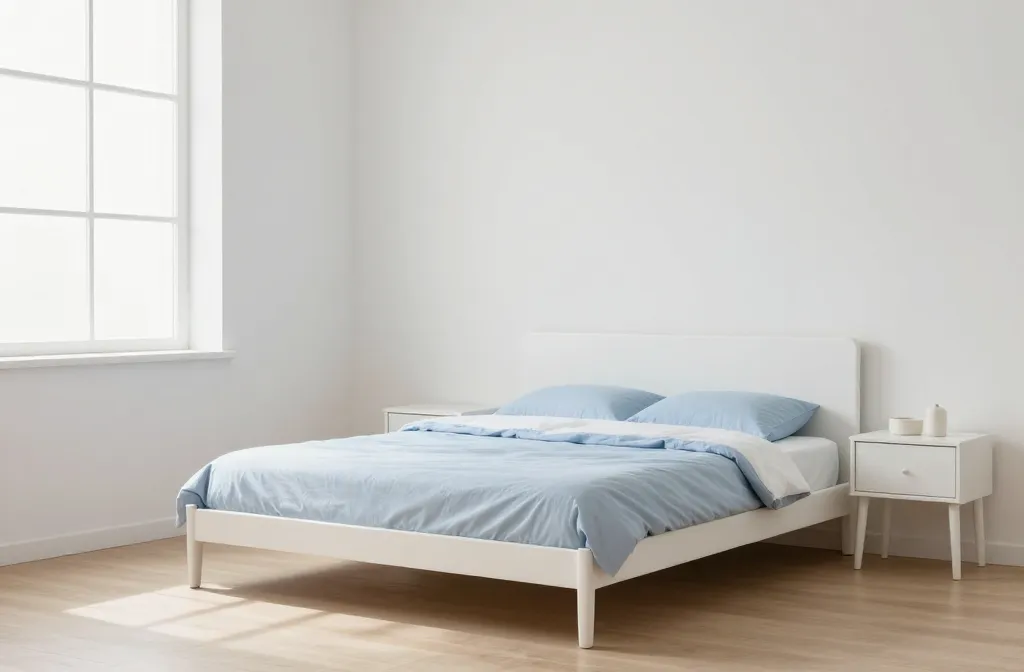
Decorating a small bedroom can feel a little frustrating at first. No matter how carefully you arrange the furniture, the space can still end up feeling cramped or cluttered.
I remember helping my cousin redo her tiny apartment bedroom after she moved into the city.
The room barely fit a queen bed and two nightstands, and for weeks she kept saying, “There’s just no way this room will ever feel cozy and spacious.”
But once we swapped heavy curtains for airy linen panels, added soft lighting, and used lighter colors throughout the room, everything changed.
The bedroom suddenly felt brighter, calmer, and surprisingly bigger without knocking down a single wall.
The truth is, creating a bigger vibe in a small bedroom isn’t about having more square footage. It’s about using smart decor choices that make the space feel open, balanced, and inviting.
From clever storage ideas to the right paint colors and furniture layouts, these small bedroom decorating ideas will help you transform even the tiniest space into a stylish retreat that feels far more spacious than it actually is.
Start with a Light Color Foundation
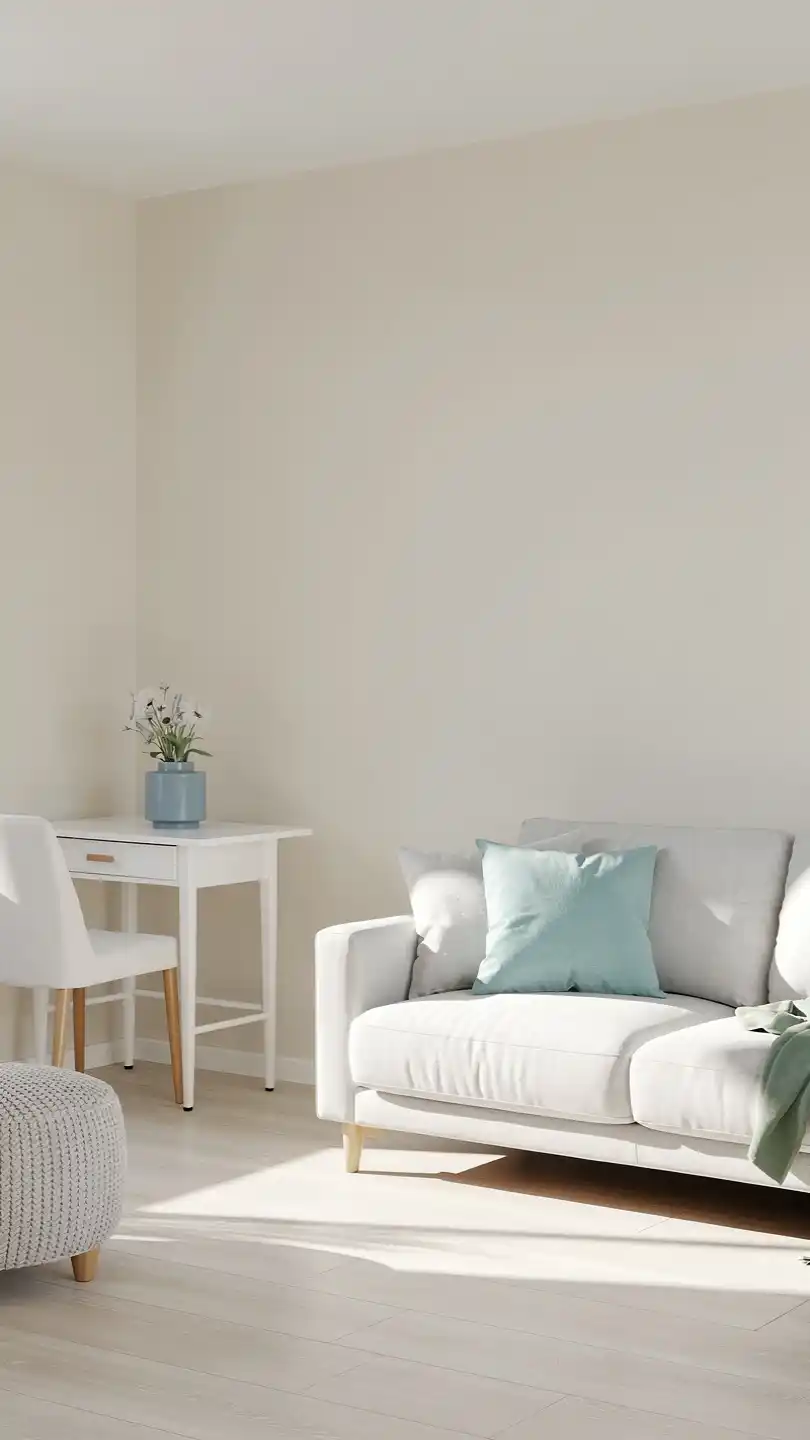
Light colors reflect more light, which tricks the eye into thinking the room is bigger. Aim for walls and ceiling in the same pale family to create a seamless, airy wash.
For furniture, stick to whites, light grays, warm neutrals, and soft blues or greens. Monochromatic schemes work wonders for a calm vibe.
Why light colors matter
Light surfaces recede visually, drying out the “cozy cave” effect some small rooms fall into. If you pair light walls with lighter flooring, the space breathes.
FYI: you don’t have to paint everything exactly the same—just keep the palette cohesive to avoid visual clutter.
Embrace Minimalist Style (Or Make a Hybrid)

Fewer, better pieces beat a crowded room every time. Focus on function and simplicity.
Styles like minimalism, Japanese, or Scandinavian keep lines clean and space feeling open.
If you adore another aesthetic, blend it with minimalism for a personal twist—just avoid clutter.
How to execute a less-is-more approach
Choose furniture with simple silhouettes, avoid heavy, chunky forms, and prioritize items that serve a clear purpose.
If you love a particular look, borrow a few elements (color, texture) but keep the layout breathable.
Plan for Circulation: Layout That Works
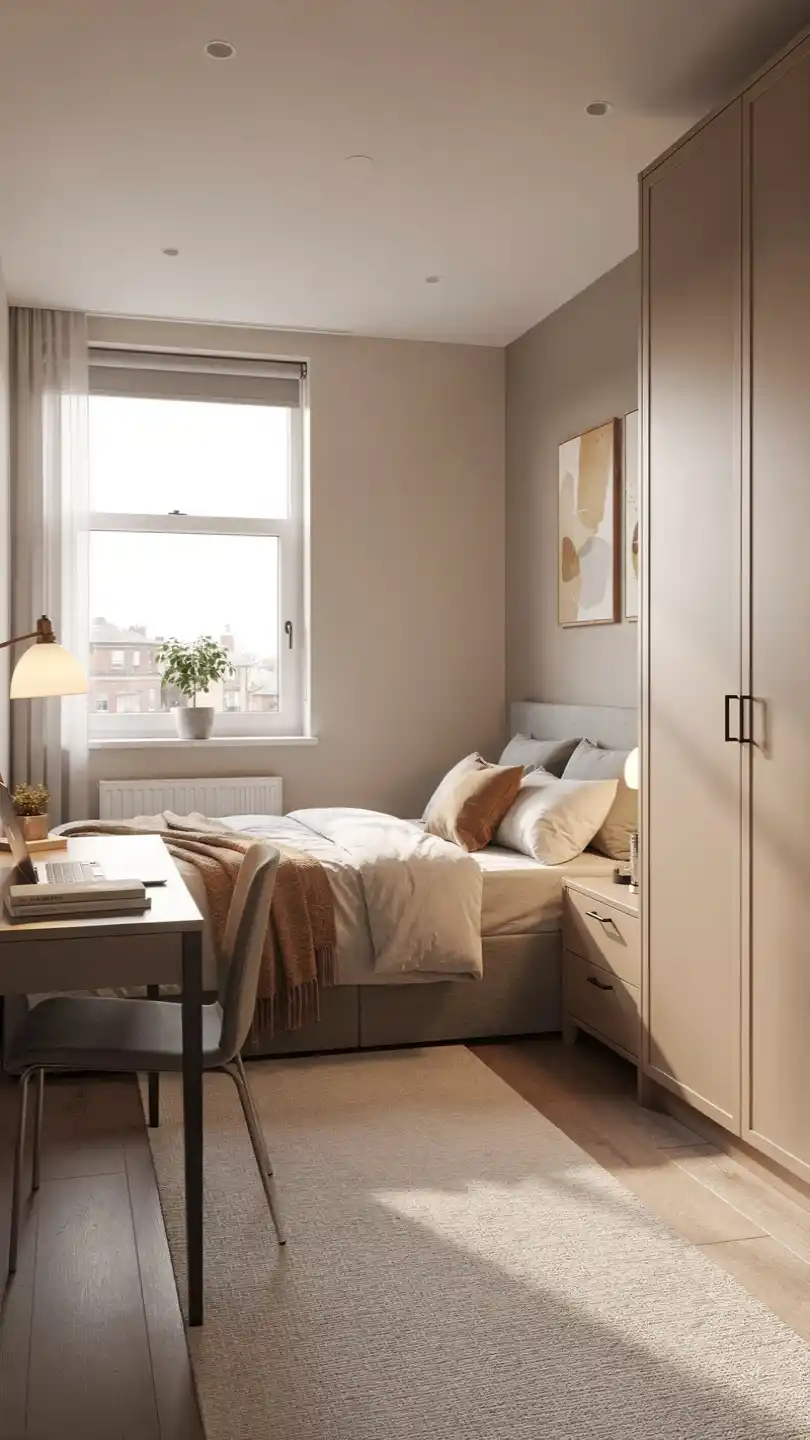
A bed centered on the main wall is classic, but in tight rooms you may need to adapt.
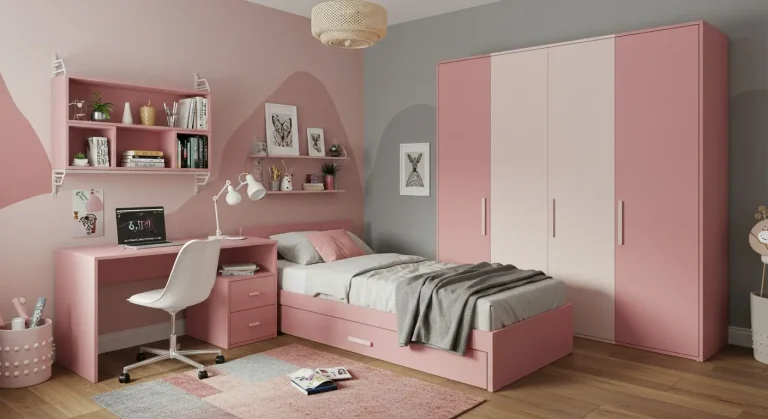
Put the bed off-center or into a corner if it frees up space for a desk, shelf, or wardrobe.
The goal: move smoothly from one area to another without squeezing.
Practical layout tips
For one-person rooms, a corner bed creates a larger open zone for a workstation or dresser.
For shared rooms, keep walkways clear and consider nightstands that don’t crowd the bed area.
Think in zones: sleeping, dressing, and working, defined by arrangement rather than building walls.
Create Zones with Color, Not Walls

Use color to delineate areas such as a reading nook or study corner. Keep color choices light and calming to maintain the perception of space.
Add texture with cushions, throws, or rugs to introduce depth without visual clutter.
Zoning on a budget
You don’t need physical dividers. A soft rug can anchor a reading zone; a slim desk in a pale finish can visually anchor a work area.
The key is harmonizing tones so the space feels connected rather than chopped up.
Floating Furniture for a Cleaner Line of Sight

Floating nightstands, shelves, even a vanity can make the floor visible, which makes the room feel bigger.
Wall-mounted pieces reduce floor clutter and reveal more of the room’s footprint.
If you must use a chair or stool, consider translucent materials to stay visually lightweight.
When not to go fully glassy
Skip overusing glass or translucent furniture everywhere; balance is crucial.
Use floating pieces strategically to highlight certain zones without overdoing the “airy” gimmick.
Think Vertically: Storage That Isn’t Floor-Dominated

Use the walls: tall bookcases, hanging organizers, or wall-mounted cabinets. Under-bed storage is gold.
Choose boxes or drawers to keep the clutter out of sight. Baskets on shelves or atop a dresser add warmth and texture while staying practical.
Smart storage ideas worth trying
Ottomans or benches with hidden storage double as seating. Invest in bed storage boxes if you’re buying a new bed.
The goal is keeping everyday items tucked away but easy to reach.
Diversify Furniture, Avoid Matching Sets
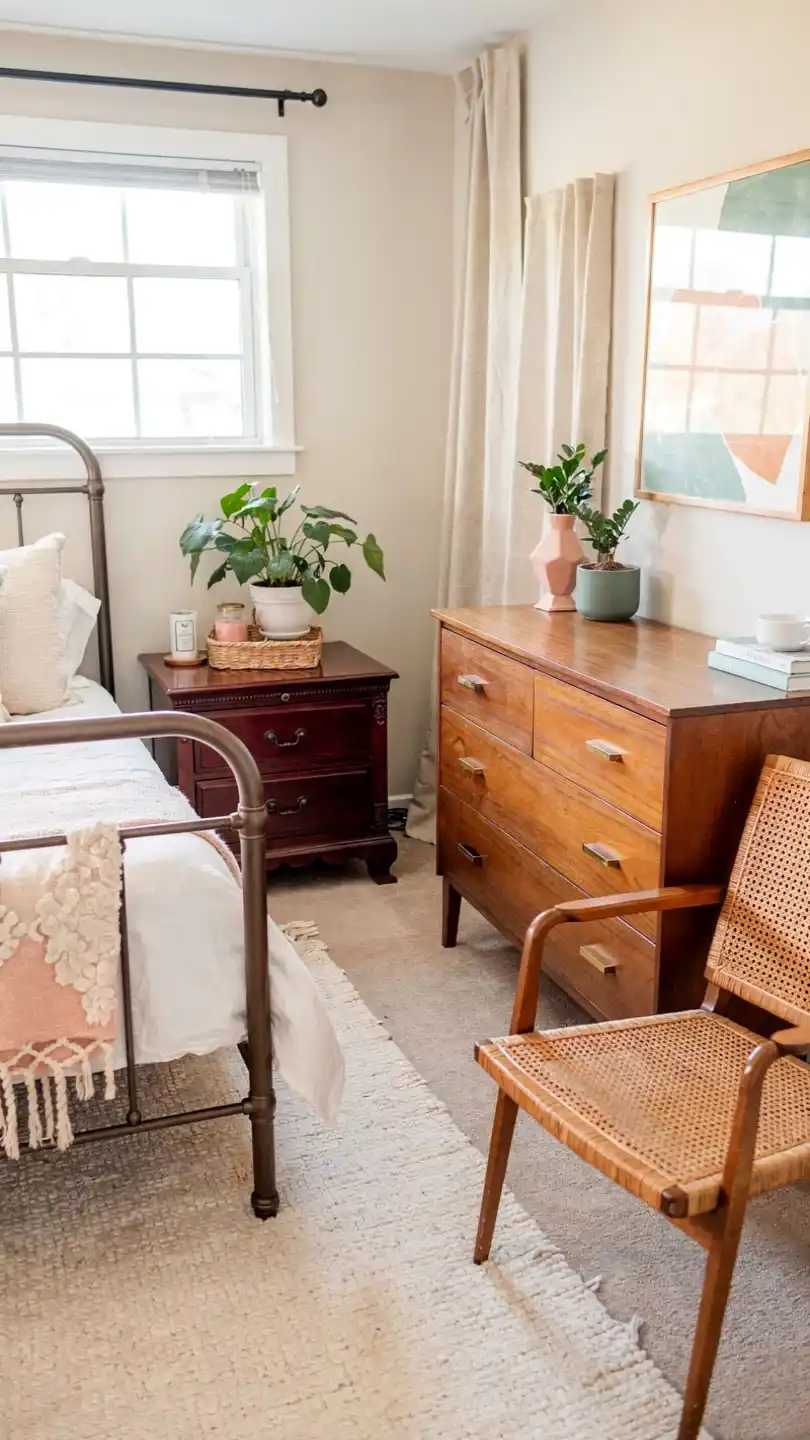
In small spaces, asymmetrical balance feels more lively and less boxed-in.
You don’t need two identical nightstands. Try one nightstand plus a lighter stool on the other side.
Multi-functional pieces trump single-purpose ones when space is tight.
What to choose instead of a matching set
Pick a visually lighter side table on one side, a slim shelf or ottoman on the other. It creates interest and better circulation while still feeling cohesive.
Lighting Layer: Real Light, Real Mood
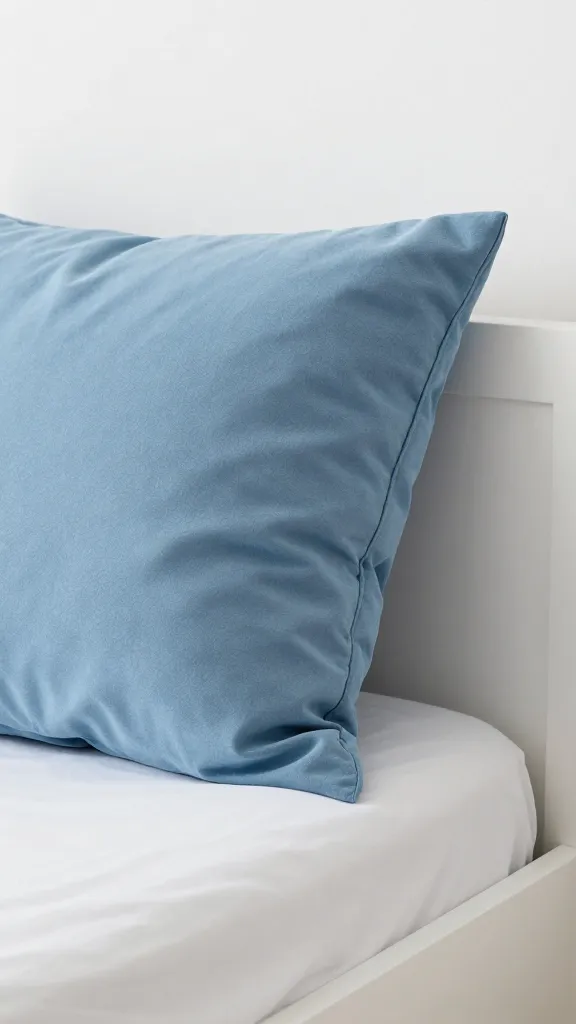
Don’t rely on a single ceiling light. Combine layered lighting: ambient, task, and accent.
Use wall-mounted lamps or ceiling fixtures to save floor space. If you can, install LED strips for subtle backlighting and a cozy vibe.
Lighting so you don’t miss the room
Position lamps near the bed for reading, and add a soft backdrop glow to the opposite wall.
Layered lighting makes the room feel larger and more inviting, especially late at night.
Curtains: Height and Color Matter

Floor-to-ceiling curtains draw the eye upward, making ceilings feel taller. Match curtain color to the walls or go one shade lighter for a seamless look.
Open curtains fully to invite daylight—let the sun do the heavy lifting when possible.
Be Careful with Patterns and Gallery Walls

In a small space, avoid overwhelming the room with many tiny art pieces or a dense gallery wall.
Choose one focal piece that fits proportionally for the room. If you love patterns, opt for organic motifs (flowers, leaves) or simple vertical lines in moderation.
Lighting, Glass, and Color: A Delicate Balance

Natural and artificial light both play big roles. Let daylight enter, then supplement with layered lighting.
Use glass or translucent furniture sparingly to lighten specific zones. Keep the overall color palette cohesive to maximize perceived space.
Simple examples to apply tonight
Install a wall-mounted lamp by the bed, add a translucent stool at the vanity, and use a single large piece of artwork as the room’s focal point.
This combination keeps the space feeling open while still feeling personal.
Declutter: Let Go for a Lighter Space
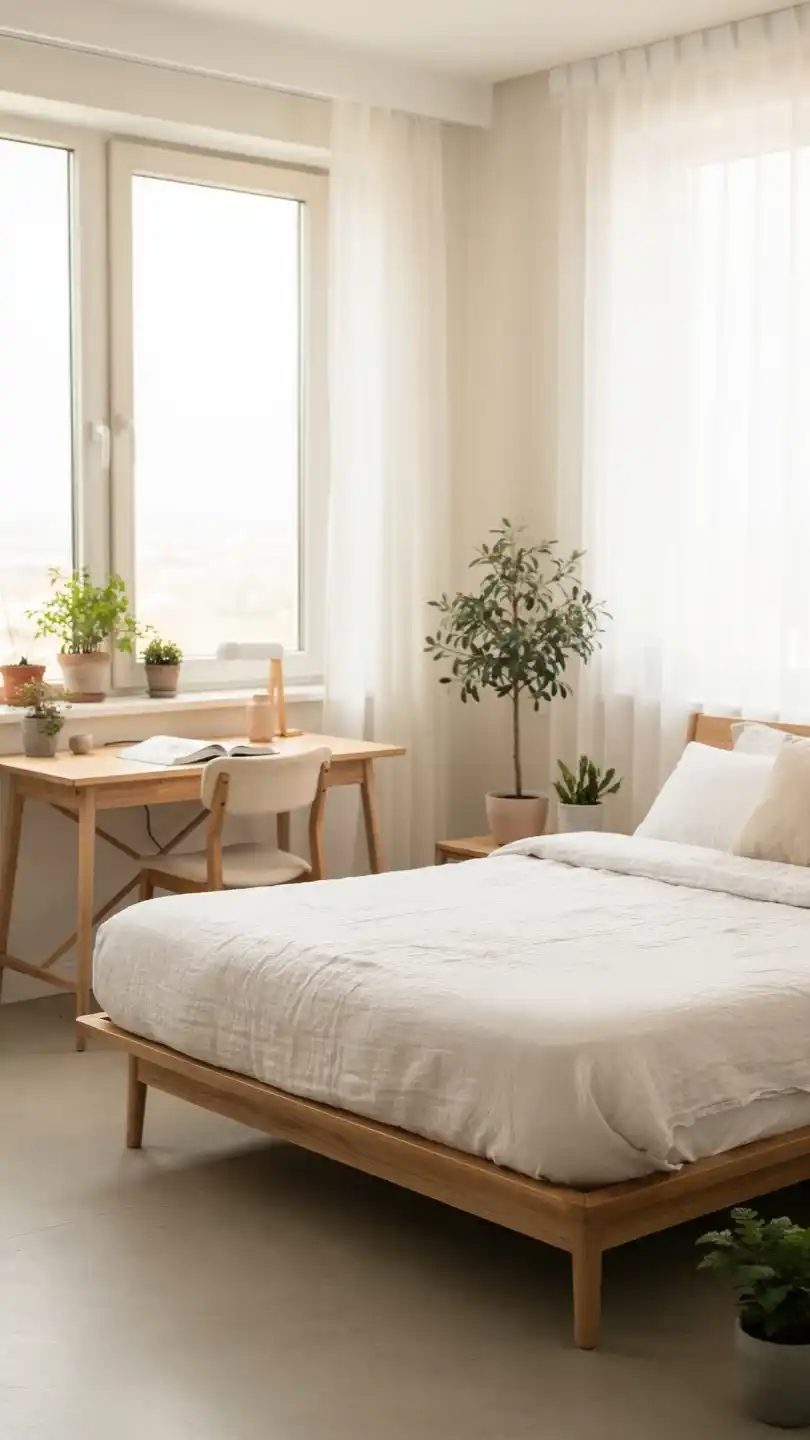
Remove items you don’t actually use or love. Clutter kills the sense of airiness and drains energy.
An organized room feels bigger, calmer, and more relaxing. Treat your bedroom as a sanctuary—only keep what serves that purpose.
Conclusion
Decorating a small bedroom is less about fighting the square footage and more about clever choices that make the space read as bigger and calmer.
Embrace light colors, smart storage, and layering of texture and light. Build zones with color, not walls, and keep the furniture light in form and footprint.
If you stay intentional—prioritize function, reduce clutter, and lean into a cohesive, breathable palette—you’ll end up with a small bedroom that feels spacious, modern, and utterly you.
FAQ
Q: How can I make a small bedroom feel bigger without removing precious furniture?
A: Focus on color and light. Use a light color palette for walls and ceiling, add floating furniture to keep sightlines clear, and layer lighting to create depth. Keep one focal piece and limit busy patterns to avoid visual clutter.
Q: Are under-bed storage and floating furniture really worth it?
A: Absolutely. Hidden storage maximizes functionality, and floating pieces reveal more floor and wall space, which is key to an airy feel in tight rooms.
Q: What’s the best way to place a bed in a small room?
A: If possible, place the bed against a wall in a corner or off-center to create a larger circulation zone. Leave space on both sides if you share the bed, and add slim nightstands to avoid crowding.
Q: How many lighting sources should I have?
A: At least three layers: ambient (ceiling), task (bedside lamps or a desk lamp), and accent (LED strips or wall sconces). This mix keeps the room versatile and visually larger.
Q: Can wallpaper work in a small bedroom?
A: It can, but use it sparingly. Favor subtle, organic patterns or an accent wall behind the headboard rather than wallpapering all walls. This helps maintain a light, breathable feel.