How to Create a Cozy Bedroom for Better Sleep

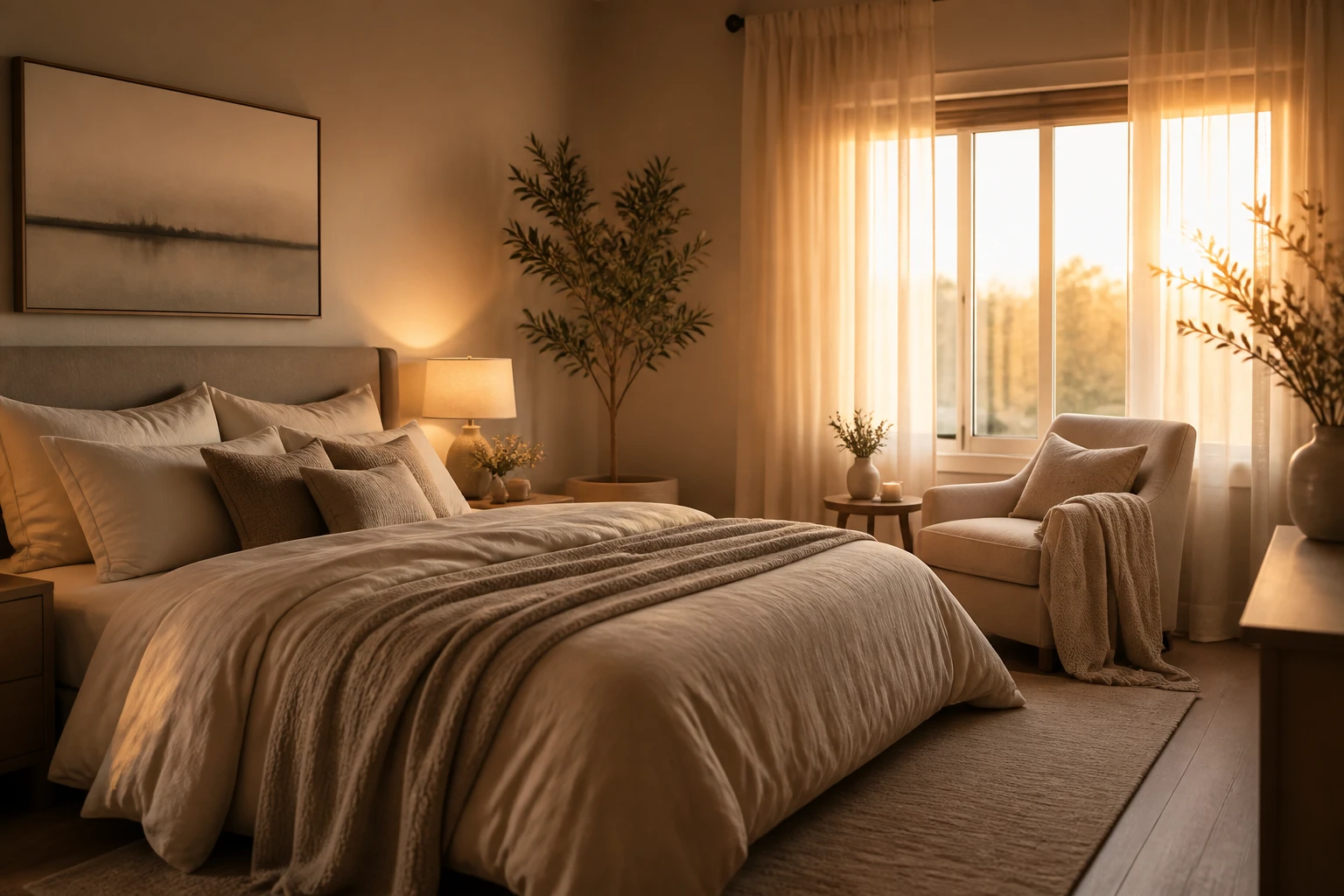
A cozy bedroom for better sleep starts with decluttering and organizing your space, then adding calming colors, soft textures, and gentle lighting to help your brain relax. Key upgrades like a good mattress, blackout curtains, no screens before bed, and soothing scents like lavender can significantly improve your sleep quality.
Let’s be real: your bedroom should be your personal sanctuary, not a source of stress that keeps you tossing and turning all night.
If you’re lying awake counting sheep (or scrolling through your phone at 2 AM), it might be time for a bedroom intervention.
The good news? Transforming your sleep space doesn’t require a complete renovation or draining your bank account.
Start With the Basics: Declutter Like Your Sleep Depends on It
I know, I know—you’ve heard this advice a million times before. But here’s the thing: decluttering really is the foundation of a stress-free bedroom, and science backs this up.
When you’re surrounded by piles of clothes, random stuff, and general chaos, your brain gets that same cluttered, overwhelmed feeling.
The fix is simpler than you might think. Go through everything in your room, item by item, and ask yourself one crucial question:
Does this actually need to be in my bedroom? You’d be amazed at how much stuff we keep in our sleep spaces that could easily live somewhere else—or maybe shouldn’t live anywhere at all.
Take inventory and be ruthless. That exercise bike collecting dust? Maybe it belongs in the garage.
Those books you haven’t touched in two years? Time to donate them. The goal is to keep only what you truly need and love in your bedroom.
Organization: Making Sure Your Stuff Stays Under Control
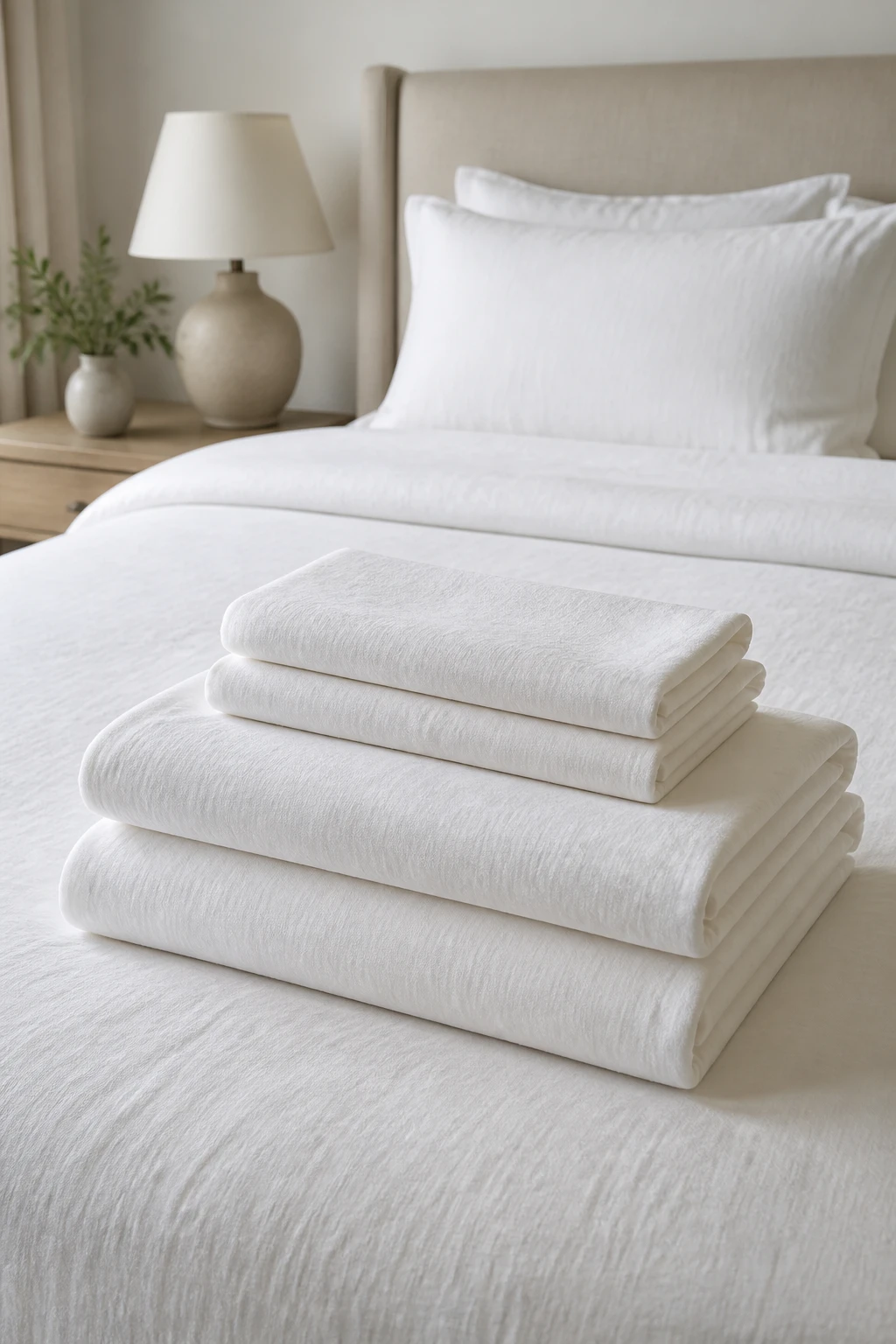
Once you’ve decluttered, you need a game plan to prevent everything from spiraling back into chaos (we’ve all been there). The secret? Everything needs a designated home.
Smart Storage Solutions
Think about maximizing your existing storage options. Your closet, dresser drawers, and that space under your bed are prime real estate for keeping things out of sight.
Visual clutter is still clutter, so the less you see, the more relaxed you’ll feel.
Consider these storage options:
- Under-bed storage containers for seasonal items
- Closet organizers to maximize vertical space
- Nightstand drawers for keeping essentials handy but hidden
- Decorative baskets that look good while hiding your stuff
The key is keeping things tucked away so your bedroom feels spacious and calming instead of cramped and chaotic.
Colors and Textures That Actually Help You Relax
Choose Your Color Palette Wisely
Color isn’t just about aesthetics—it genuinely affects your mood and stress levels. When you’re designing a sleep sanctuary, you want to stick with colors that make you feel calm and peaceful.
Nature-inspired colors work incredibly well for bedrooms.
Think soft blues reminiscent of the ocean, gentle greens like fresh leaves, or muted purples and grays.
These colors create a soothing atmosphere that tells your brain it’s time to wind down.
Don’t panic—you don’t necessarily need to repaint your entire room.
You can introduce calming colors through your bedding, curtains, throw pillows, or wall art. Sometimes small changes make the biggest difference.
Texture Matters More Than You Think
Want your bedroom to feel like a cozy retreat? Pay attention to textures and materials. Soft, plush, and woven fabrics instantly make a space feel more inviting and comfortable.
Try adding:
- A chunky knit throw blanket at the foot of your bed
- An area rug with a soft, luxurious feel
- Upholstered furniture like a comfy reading chair
- Natural materials like wood or stone accents
These tactile elements create layers of coziness that make you actually want to spend time relaxing in your bedroom.
Small Touches That Make a Big Difference
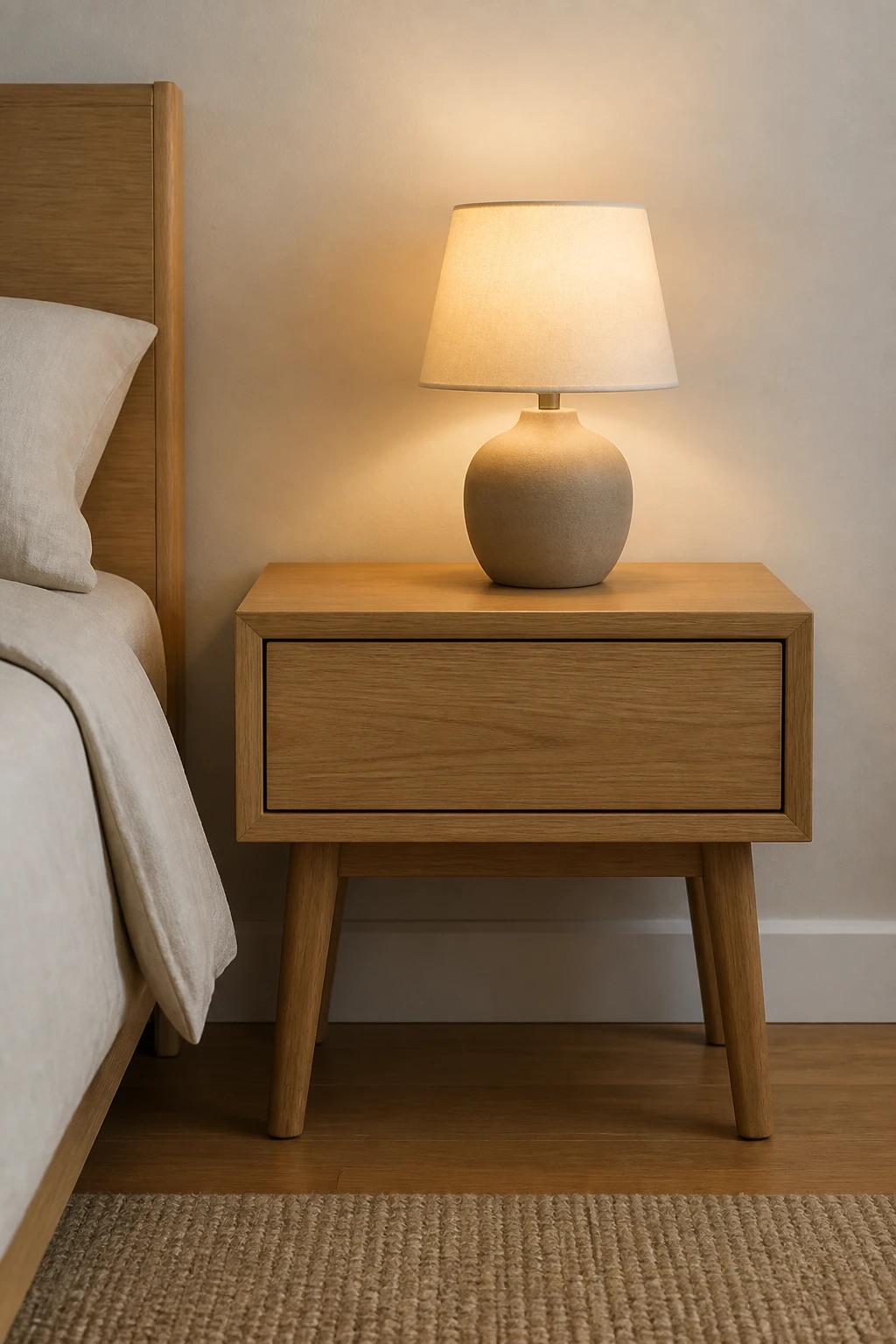
Bring Nature Inside
Adding plants to your bedroom isn’t just trendy—research shows that people actually perceive rooms with plants more positively than those without them.
Plus, they add a pop of life and color to your space.
Don’t have a green thumb? No problem. Low-maintenance plants like spider plants, snake plants, or succulents are practically indestructible.
And honestly, a high-quality fake plant works too if you’re really worried about killing yet another houseplant.
Try a Weighted Blanket
If you struggle with anxiety or stress (and who doesn’t?), a weighted blanket might be your new best friend.
The deep pressure touch they provide can increase melatonin and serotonin while reducing cortisol—basically, it’s like getting a hug from your blanket.
You don’t need to sleep under it every night. Just keep one handy for those extra-stressful evenings when you need some comfort.
Set the Mood With Scent
Aromatherapy isn’t just spa-day fluff—certain scents can genuinely help you relax.
Lavender, jasmine, sandalwood, and eucalyptus are all thought to have calming effects, but honestly, any scent you love and associate with relaxation will work.
Try an essential oil diffuser, some candles (just remember to blow them out!), or a linen spray for your pillows. Your bedroom should smell like a peaceful retreat, not yesterday’s gym socks.
The Work-Sleep Separation Struggle Is Real
Here’s a hard truth: if you work from your bed or bedroom, you’re training your brain to associate your sleep space with stress and productivity. Not great for quality rest.
Ideally, keep your workspace completely separate from your bedroom. If that’s not possible (hello, studio apartment dwellers), get creative.
A room divider, a fold-away desk, or even just a dedicated corner that you can “close off” mentally when work hours end can help create that crucial boundary.
The point is this: when you look around your bedroom, you shouldn’t be reminded of work deadlines, emails, or that project you’re procrastinating on.
Invest in Sleep Essentials That Actually Matter
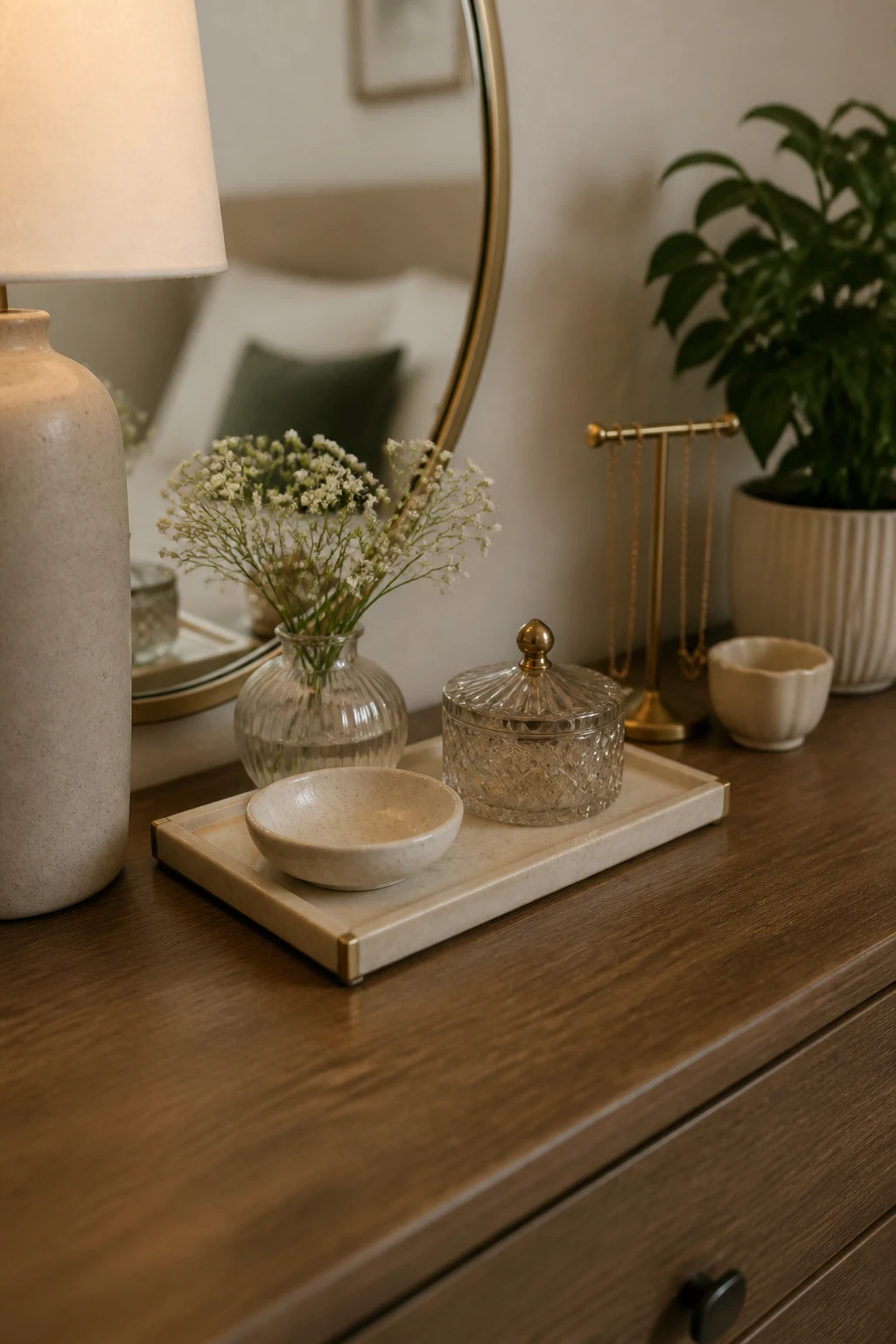
Your Mattress Is Everything
Your mattress is literally the centerpiece of your bedroom and where you spend a third of your life.
If you’re sleeping on something uncomfortable or outdated, no amount of decluttering or decorating will fix your sleep problems.
Find a mattress that suits your specific sleep needs—whether you’re a side sleeper, back sleeper, someone who runs hot at night, or deals with back pain.
When you genuinely love your mattress, you’ll actually look forward to bedtime instead of dreading another uncomfortable night.
Create a Luxurious Bed Setup
Your bed should feel like something special. You don’t need to spend thousands, but thoughtful choices make a huge difference.
Consider these upgrades:
- Bamboo sheets: They’re soft, breathable, and more affordable than you’d think
- The right pillow: Match it to your sleep position for proper support
- A quality comforter or duvet: Something that feels cozy but doesn’t overheat you
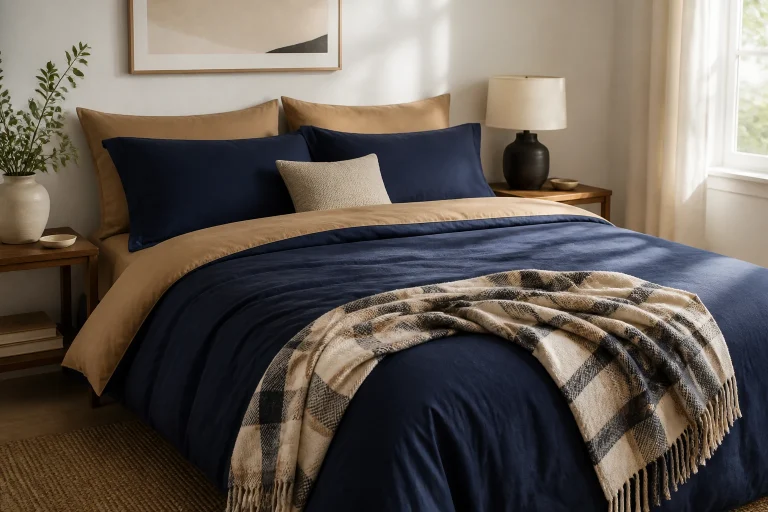
- A few accent pieces: Maybe a throw blanket or one or two decorative pillows (but don’t go overboard—your bed still needs to be functional)
Lighting and Technology: The Sleep Disruptors
Soften Your Lighting
Harsh overhead lighting is the enemy of relaxation. Softer lighting creates a calming atmosphere that signals to your body it’s time to wind down.
Swap out bright bulbs for dimmer options, or add alternative light sources like a reading lamp, fairy lights, or a floor lamp.
Layered lighting gives you options depending on what you’re doing and what mood you’re trying to create.
Ban the Screens (Yes, Really)
You’ve definitely heard this before, but it bears repeating: screens before bed are terrible for sleep.
The blue light from your TV, computer, or phone mimics sunlight and messes with your circadian rhythm, making it harder to fall asleep.
FYI, the solution is simple but tough: get screens out of your bedroom. Remove the TV if you have one. Keep your phone out of reach. And yes, that means you need an actual alarm clock—remember those?
Block Out External Light
Light pollution from street lights, passing cars, or even the moon can seriously disrupt your sleep.
Blackout curtains are a game-changer if you deal with external light bleeding into your bedroom. As a bonus, they often help block outside noise too.
Make It Yours
At the end of the day (literally), your bedroom should reflect who you are. Hang some art that makes you happy.
Frame photos of memories you treasure. Add personal touches that bring you joy when you see them.
Just remember the decluttering advice—a few meaningful items go a long way. You don’t want to turn your calm sanctuary into a cluttered gallery.
Final Thoughts on Your Sleep Sanctuary
Creating a cozy bedroom that promotes better sleep doesn’t mean you need to buy everything new or follow some rigid design rules.
Start with the simple stuff: declutter, organize, and see how much better you feel. Sometimes that’s honestly all it takes.
Take what works for you from these suggestions and skip what doesn’t. This is your space, and it should work for your life, your budget, and your personal style.
The goal is simple—create a bedroom that makes you feel relaxed, comfortable, and ready for quality sleep. You deserve that.
Frequently Asked Questions
What’s the single most important thing I can do to improve my bedroom for better sleep?
If you only do one thing, make it decluttering. A cluttered space creates mental clutter and makes it harder to relax.
Go through your bedroom and remove anything that doesn’t need to be there.
You’d be surprised how much this simple step can transform both the look of your room and how you feel in it. Plus, it’s completely free.
Do I really need to get my phone out of my bedroom?
Ideally, yes. The blue light from your phone disrupts your circadian rhythm, and having it nearby is a huge temptation for late-night scrolling.
Invest in a regular alarm clock instead. If you absolutely must keep your phone in the bedroom, at least keep it across the room and out of arm’s reach from your bed.
What colors are best for a bedroom?
Colors that remind you of nature tend to work best—think soft blues, gentle greens, muted purples, or calming grays. These colors promote relaxation and help create a peaceful atmosphere.
That said, choose colors that make you personally feel calm and comfortable. If there’s a specific shade that makes you happy and relaxed, go with that.
Are weighted blankets actually worth it for better sleep?
For many people, yes. Weighted blankets provide deep pressure touch that can increase feel-good hormones like melatonin and serotonin while reducing stress hormones like cortisol.
They’re particularly helpful if you deal with anxiety or stress. You don’t have to use one every night—just keep it handy for when you need extra comfort and relaxation.
How can I create a work-sleep separation in a small apartment?
If you can’t have a separate room for work, get creative with dividers. Use a folding screen, curtain, or bookshelf to create a visual barrier between your workspace and sleep space.
A fold-away desk that you can close up at the end of the workday also helps. The key is creating some kind of boundary, even if it’s just psychological, so you’re not constantly reminded of work when you’re trying to sleep.
Do I need to spend a lot of money to create a cozy bedroom?
Not at all. Many of the most impactful changes—like decluttering, organizing, and removing screens—are completely free. You can introduce calming colors through affordable items like throw pillows or curtains.
Even plants and fake plants are inexpensive. Focus on the free or low-cost changes first, and you’ll likely see a significant improvement before you spend any serious money.