13 Serene Japandi Living Room Designs for a Zen Atmosphere
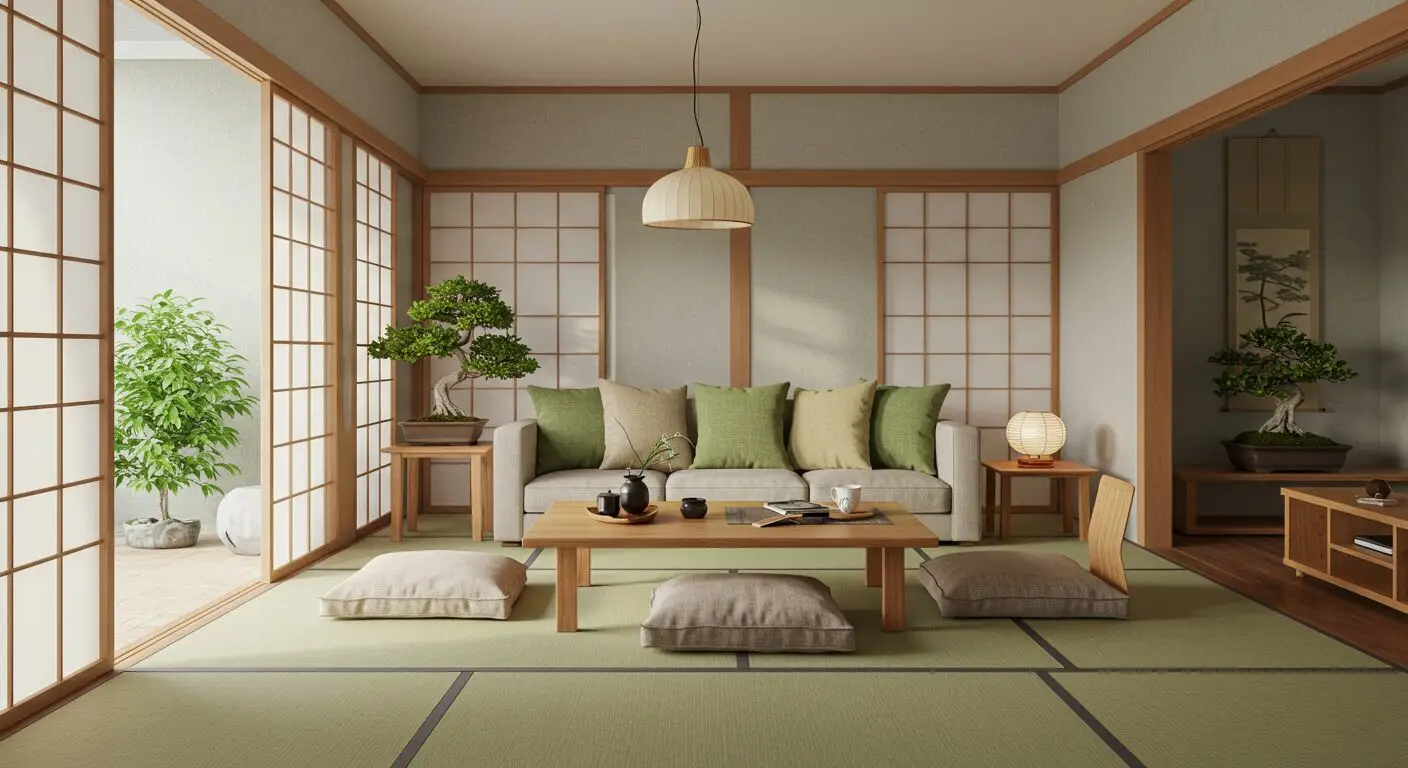
Want a living room that feels both cozy and clutter-free? With these Japandi design tips, you can mix clean lines, natural materials, and muted colors to create a serene and inviting space.
When I first moved into my apartment, the living room felt like a jumble of styles. Dark furniture clashed with my pale walls, and every corner screamed “too busy.” That’s when I discovered Japandi Living Room design—a perfect balance of Japanese minimalism and Scandinavian warmth.
I started by simplifying the space, keeping only what was functional and beautiful. Natural wood tones paired with soft, neutral textiles instantly made the room feel calmer. Little touches, like a woven throw or a low-profile coffee table, brought life without clutter.
Over time, I realized that Japandi isn’t about trends—it’s about creating a living room that feels peaceful, practical, and timeless. Below, I share tips and ideas to transform your space into a Japandi sanctuary you’ll never want to leave.
What You Might Need

Here’s a quick checklist to create your Japandi-inspired living room:
- Neutral, earthy tones (think beige, taupe, or soft gray).
- Sustainable furniture made from wood, bamboo, or rattan.
- Fabrics in natural textures, such as linen or cotton.
- Functional decor, like shoji screens or ceramic planters.
- Organizers to keep surfaces clean and clutter-free.
- Ample lighting to enhance the natural vibe.
Gathering these essentials will bring you closer to realizing your very own Japandi-style haven.
13 Japandi Living Room Designs
1. Minimalist Monochrome

Start by painting your walls a soft, neutral shade like cream or light gray. Choose furniture and accent pieces in complementary colors to anchor the space. Consider adding items in shades like charcoal or ash to bring subtle contrast without overwhelming the room.
Furniture with smooth, clean lines is key. Low-profile couches, sleek Scandinavian chairs, and functional nesting tables in matching tones will tie it all together.
Picture This: A muted cream sofa paired with an ash-wood coffee table. A gray throw blanket sits neatly folded, with a single potted plant on an otherwise uncluttered table.
Dive into Scandinavian Living Room Ideas for more monochromatic inspiration.
2. Layer Natural Textures

Japandi designs thrive on natural elements. Layer your living space with textures like linen curtains, sisal rugs, or rattan accent chairs to create warmth. Opt for unfinished wood details and incorporate bamboo decor pieces for a truly organic feel.
Adding greenery, such as fiddle-leaf fig plants or air-purifying ferns, will enhance this natural aesthetic.
Picture This: A rattan chair tucked in one corner of the room, dressed with a soft linen cushion. A potted peace lily sits beside it, adding life and color against soft earth-toned walls.
For more natural decor tips, check out Vintage Eclectic Decor Ideas.
3. Open and Airy Layouts

Japandi living rooms thrive on open layouts. Arrange your furniture strategically to allow for better flow and functionality. Avoid overfilling the space—less truly is more in this design style.
If you’re dealing with limited space, consider multipurpose furniture like storage ottomans or built-in shelving to create a tidy, clutter-free room.
Picture This: A spacious room with a low-profile sectional sofa facing a simple wooden coffee table. Natural light floods the room through large, undressed windows.
Explore Modern 70s Living Room Ideas for inspiration on maximizing layouts.
4. Neutral and Earthy Tones

A Japandi living room relies on soft, natural hues to create a peaceful atmosphere. Stick with colors like beige, slate gray, and warm clay tones. Reserve bolder hues for mindful accents, like a ceramic vase or a textured throw pillow.
Layering similar tones helps the room feel cohesive while adding depth and dimension.
Picture This: Walls painted in warm beige with taupe-colored furniture. Soy candles in clay-colored holders add a soothing finish to the coffee table.
For more ideas on incorporating subtle tones, visit Blue-and-Gray Living Room Ideas.
5. Functional Accents

Japandi is about finding the perfect balance between aesthetics and practicality. Opt for decor pieces that serve a dual purpose—wicker baskets for storage or shoji screens to divide a room while adding artistry.
Decorate with functional yet beautiful elements like textured ceramic vases or handwoven throws that contribute to the zen vibe.
Picture This: A simple wooden bench adorned with a soft ivory cushion and a woven storage basket beneath it, seamlessly blending form and function.
Browse more functional decor ideas in DIY Home Decor Inspo.
6. Low-Key Lighting

Lighting plays a huge role in creating a serene Japandi atmosphere. Natural light is ideal, but if your room lacks it, use warm-toned bulbs in minimalist fixtures.
Paper lamps with soft, defused light or pendant lights in neutral tones work wonders to add warmth without overpowering the room’s simplicity.
Picture This: A sleek, paper lantern gently glowing in the corner, casting a soft amber hue, complemented by tea candles placed along open shelves.
Learn to layer lighting with ideas from Southern Home Pattern Trends.
7. Streamlined Furniture

Japandi furniture is all about clean lines and low profiles. Avoid ornate or heavily accented designs—stick to simple silhouettes for sofas, tables, and chairs.
Choose materials like natural wood, tempered glass, or unembellished stone to maintain the calming, minimalist aesthetic.
Picture This: An elegant wooden dining bench tucked against a low table. A plush light gray cushion adds subtle comfort without disrupting the clean lines.
Borrow ideas on streamlined furniture from Minimalist Living Room.
8. Zen-Inspired Decorations

Lastly, accentuate your living room with zen-inspired decor. Add Japanese-inspired elements like stacked stones or a dried flower arrangement. A small tabletop fountain can also enhance the calming ambiance.
Remember to keep the design balanced and avoid overcrowding the space with too many knick-knacks.
Picture This: A corner table adorned with a smooth black pebble stack, a dried pampas arrangement, and a softly trickling tabletop water fountain.
Find ways to incorporate unique elements from Vintage Maps.
9. Multi-Functional Furniture

Japandi living rooms thrive when each furniture piece serves multiple purposes.
Consider benches that double as storage, coffee tables with hidden compartments, or ottomans that can act as seating or footrests.
Multipurpose pieces maintain the minimalist aesthetic while keeping the room practical and clutter-free.
Focus on clean, simple silhouettes to ensure the furniture does not overwhelm the space visually.
Picture This: A light oak storage bench positioned against the wall, topped with a soft linen cushion, neatly holding magazines and throws inside its compartments.
10. Subtle Patterns and Minimalist Artwork

Even in a minimalist Japandi living room, subtle patterns can add interest without disrupting calm.
Choose understated prints like geometric shapes, soft stripes, or Japanese-inspired motifs on cushions, rugs, or wall art.
Artwork should remain minimal, with neutral frames and simple designs that complement the room’s natural palette.
Picture This: A large, monochromatic canvas on the wall above a muted beige sofa, paired with a patterned wool rug that ties the space together.
11. Low-Profile Seating Areas

Japandi style emphasizes furniture close to the floor, fostering intimacy and a grounded aesthetic.
Low sofas, floor cushions, and simple poufs encourage relaxed gatherings while maintaining clean lines throughout the living room.
This approach creates a cozy and inviting atmosphere, blending Japanese minimalism with Scandinavian comfort.
Picture This: A charcoal gray low-profile sofa complemented by a linen floor cushion and a light wooden coffee table, arranged for natural flow and conversation.
12. Harmonious Greenery

Plants are essential in Japandi interiors, bringing nature indoors to promote serenity and well-being.
Select a mix of textures and heights, such as tall fiddle-leaf figs, medium-sized bonsai, or small tabletop succulents.
Use simple ceramic or wooden pots to maintain harmony with the neutral color palette.
Picture This: A tall bamboo plant in a corner paired with a low bonsai on a side table, enhancing balance while adding life and vibrancy to the space.
13. Personal Touches with Minimalism

A Japandi living room should reflect your personality while avoiding clutter or overwhelming décor.
Include a few meaningful items like a favorite handwoven throw, a ceramic sculpture, or a small collection of books in neutral tones.
Display these pieces intentionally, ensuring each contributes to the room’s calm aesthetic.
Picture This: A single wooden shelf featuring a smooth black vase, a neatly stacked trio of books, and a woven basket, all complementing warm beige walls.
Achieve Zen with Japandi
Whether you lean towards Scandinavian chic or Japanese minimalism, Japandi living room designs blend the best of both worlds in perfect harmony. By integrating natural elements, muted tones, and decluttered layouts, you’ll craft a space that radiates peace and intention.
It’s time to turn your living room into a serene escape from life’s chaos. Start small with textures and colors, or take the plunge with a full room refresh—you’re bound to fall in love with this timeless style.
For more zen-inspired design inspiration, visit The Spruce’s Japandi guide.